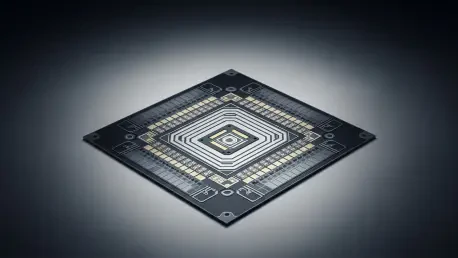

The global optoelectronics sector has reached a critical juncture where the battle for dominance is fought less in the showroom and more within the intricate architectures of microscopic semiconductor wafers. Everlight Electronics has recently initiated a high-stakes patent infringement lawsuit against Nichia Corporation, marking a pivotal moment in the competitive dynamics of the LED industry. Filed in the Southern Division of the U.S. District Court for the Eastern District of Michigan, this legal action focuses on the alleged unauthorized use of U.S. Patent No. 7,554,126. This specific piece of intellectual property is central to advanced flip-chip packaging, a technology that has become indispensable for the next generation of lighting and display solutions.
The current legal maneuver follows a series of successful litigations by Everlight against other major players, such as Lumileds and Seoul Semiconductor, reinforcing its reputation as a vigorous defender of its technological assets. As the industry transitions from traditional wire-bonded structures to advanced flip-chip designs, the stakes for patent ownership have never been higher. This lawsuit is not merely a dispute over technical specifications but a strategic effort to define market leadership in a field where high-power efficiency and reliability are the primary benchmarks for success.
Mapping the Competitive Landscape of the Global LED and Semiconductor Industry
The global LED packaging market is currently experiencing a profound transformation, moving away from low-margin commodity lighting toward high-end optoelectronic components. This shift is characterized by the escalating importance of specialized applications, where manufacturers must deliver superior brightness and thermal stability in increasingly smaller form factors. Everlight and Nichia have emerged as the primary rivals in this landscape, each vying to set the international standards that will govern the next decade of semiconductor development.
Maintaining a competitive edge in this crowded field requires massive and sustained investments in research and development. In the current market environment, a company’s valuation is often tied directly to its ability to secure and enforce patents that cover foundational manufacturing processes. As traditional LED markets reach saturation, the focus has pivoted toward niche sectors like automotive electronics and high-speed optical communications, where proprietary technology serves as the ultimate barrier to entry for lower-cost competitors.
Analyzing Key Drivers and Market Performance in Advanced Packaging
The Surge of Flip-Chip Innovation in Automotive and AI Applications
The technical migration toward flip-chip designs has been accelerated by the rigorous requirements of the automotive and artificial intelligence sectors. Unlike traditional LEDs, flip-chip technology eliminates the need for wire bonding, allowing the chip to be bonded directly to the substrate. This architecture is essential for flash LEDs in mobile devices and advanced automotive headlamps, where space is limited and the demand for high intensity is constant. The reliability of these connections under mechanical stress makes them the preferred choice for vehicle manufacturers.
Beyond lighting, these packaging methodologies are finding new utility in the burgeoning Micro LED display market and the UVC disinfection sector. Effective thermal management is the primary driver for this adoption, as flip-chip structures provide a shorter path for heat to escape, thereby extending the operational lifespan of the device. As consumer electronics brands integrate more sophisticated sensors and high-resolution screens, the reliance on patent-protected packaging techniques continues to intensify, making these innovations the bedrock of modern hardware design.
Market Forecasts and the Economic Impact of High-Power Optoelectronics
Growth projections for the LED industry remain robust, particularly within the high-power industrial and automotive segments. Analysts are observing a steady recovery in gross margins as manufacturers optimize their production lines and leverage their intellectual property to command premium pricing. The integration of silicon carbide materials and AI-driven power components is expected to create new revenue streams, as these technologies enable more efficient energy conversion in electric vehicle chargers and data center power supplies.
The economic impact of these advancements is reflected in the shifting capital expenditure strategies of major manufacturers. Companies are increasingly focusing on the high-value layers of the supply chain, where proprietary processes can be used to mitigate the effects of global price erosion. By capitalizing on a strong IP portfolio, firms like Everlight are positioning themselves to capture a larger share of the market valuation, especially as the demand for high-power optoelectronics outpaces the growth of the general lighting market.
Addressing Technical Barriers and the Risks of Intellectual Property Disputes
Engineering the perfect flip-chip requires a delicate balance of N/P electrode ratios to ensure both structural integrity and superior heat dissipation. This technical challenge often leads to disputes when one manufacturer’s solution closely mirrors the patented methods of another. For engineers, the risk of accidental infringement is a constant concern, necessitating rigorous patent searches and often leading to lengthy development cycles as they attempt to design around existing IP.
Managing the high costs and timelines of multi-jurisdictional litigation has become a standard part of doing business in the semiconductor industry. Litigation is frequently used as a strategic tool to slow down competitors or force them into favorable licensing agreements. However, this environment also carries the risk of commoditizing unprotected innovations, as companies that fail to secure their technical breakthroughs may find their designs replicated by rivals before they can achieve a return on their initial investment.
Navigating the Regulatory Framework and the Power of Patent Families
The United States Patent and Trademark Office and other international patent bodies play a critical role in protecting the high-tech investments of semiconductor firms. For a company like Everlight, the strategic importance lies in building a comprehensive patent family that spans major markets including Taiwan, China, Japan, and Europe. This global coverage ensures that a single innovation can be protected across the entire global supply chain, preventing competitors from manufacturing or selling infringing products in key economic regions.
Legal standards and international treaties influence how licensing agreements are structured and enforced. Compliance with these intellectual property laws is no longer just a legal requirement but a fundamental component of supply chain security. Global automotive and electronics brands are increasingly selective about their partners, often requiring proof of patent compliance to avoid secondary infringement risks. This has turned IP management into a critical competitive advantage that dictates which manufacturers are allowed to participate in high-stakes global partnerships.
Looking Ahead: Geopolitical Shifts and the Next Wave of Lighting Technology
A significant shift in supply chain diversification is currently underway, with manufacturers establishing new hubs in regions like Thailand to build resilience against geopolitical fluctuations. The development of a non-China supply chain has become a top priority for global brands seeking to ensure a steady flow of components regardless of trade tensions. This geographic shift is being paired with the adoption of AI-integrated manufacturing workflows, which are designed to improve production yields and lower the operational costs of advanced packaging.
Looking forward, the industry is preparing for the widespread adoption of Mini LED backlighting and the continued rise of silicon carbide products. These emerging disruptors are expected to redefine the performance benchmarks for consumer displays and power electronics alike. As the manufacturing footprint expands into Southeast Asia, the ability to maintain high yields in new environments will separate the market leaders from the followers, making technical expertise more valuable than ever.
Assessing the Long-Term Strategic Outlook for Everlight and Its Stakeholders
The strategic findings indicated that intellectual property became the most valuable asset in the modern semiconductor supply chain. Stakeholders recognized that the Michigan lawsuit against Nichia served as a necessary mechanism for protecting the long-term R&D investments that sustained the company’s competitive edge. By asserting its rights over flip-chip technology, Everlight demonstrated that proactive legal enforcement was essential for maintaining market share in high-growth sectors like automotive lighting and AI power.
Successful patent enforcement was shown to provide a significant boost to non-operating income through licensing royalties and settlement agreements. Investors were encouraged to focus on companies that could successfully navigate the complexities of global IP law while simultaneously expanding their manufacturing capabilities. The transition to a non-China production base in Thailand was identified as a critical step in providing the supply chain resilience required by international brands.
Future considerations suggested that the integration of artificial intelligence into production and the management of proprietary patent families would define the next era of technological dominance. It was concluded that companies failing to prioritize intellectual property management would struggle to maintain profitability in an era of rapid commoditization. Ultimately, the industry moved toward a model where technical innovation and legal strategy were inextricably linked, ensuring that the most advanced and well-protected technologies commanded the highest market value.