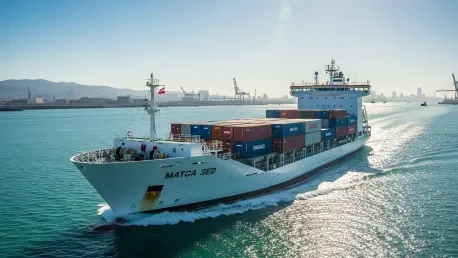

The sudden prospect of crude oil skyrocketing to two hundred dollars per barrel transitioned from a distant nightmare to an immediate reality as the White House examined a rare break from maritime tradition. With energy markets reeling from the conflict between Israel and Iran, the administration explored a temporary waiver of the Jones Act. This 1920 statute mandates that goods shipped between domestic ports travel on American-built and crewed vessels.
A Centennial Law Meets a Modern Energy Crisis
As gas prices surged past the hundred-dollar mark, the administration signaled that even deeply entrenched trade protections were on the table to prevent an economic collapse. This move represented a shift where immediate consumer relief took precedence over century-old protectionist policies. The crisis transformed a niche maritime regulation into a focal point of national survival strategy.
The Geopolitical Powder Keg and the Strait of Hormuz
The urgency stemmed from a volatile landscape where the threat of a closed Strait of Hormuz hung over the global economy. As a vital artery for international oil transit, any disruption risked a catastrophic supply vacuum. Domestic political pressure mounted as consumers faced unprecedented costs, forcing a reconciliation of national security with economic relief.
A Multifaceted Defense Against Soaring Energy Costs
The White House authorized the release of 172 million barrels from the Strategic Petroleum Reserve to stabilize the global supply chain. This move was coordinated with international partners during the largest disruption in history. However, the release alone was insufficient to bridge the gap in regional distribution, prompting the need for flexible shipping.
A Jones Act waiver served as a tactical tool to allow foreign tankers to transport fuel between American coasts efficiently. By lowering logistics costs, the administration aimed to manage domestic supply shortages in regions facing acute deficits. This strategy balanced fuel needs with the goal of maintaining economic momentum.
Expert Perspectives: Economic Impact and Industry Opposition
Energy Secretary Chris Wright framed the turbulence as a necessary sacrifice, noting that the global market faced its most significant challenge yet. Analysts suggested that while suspending the act offered modest relief, the symbolic utility of the move was a critical signal to markets. It demonstrated a willingness to use executive power to curb costs.
Domestic shipbuilding interests voiced concerns over the precedent of such a waiver. They argued that bypassing the law could erode the long-term viability of the American maritime industry. Nevertheless, the administration remained confident that the temporary nature of the measure would mitigate lasting damage to domestic shipyards.
Strategic Framework: Navigating the Energy Disruption
The administration prioritized defense-related waivers to expedite the approval process and minimize legal challenges. By using the national defense provision, the White House bypassed traditional bureaucratic delays. This ensured that domestic waivers worked in tandem with global supply increases managed by the International Energy Agency.
Officials focused on a limited timeline for the waiver to soothe industry concerns while monitoring the volatility of foreign waters. A transparent communication strategy linked high fuel prices to geopolitical actors to manage expectations. This framework established a template for future crises, emphasizing flexible trade policy as a primary tool for resilience.