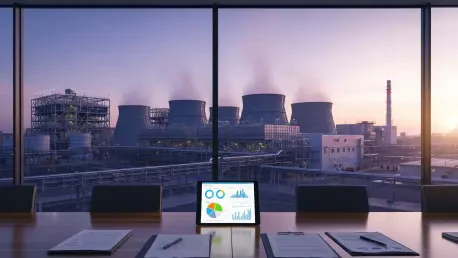

The persistent plume of industrial exhaust hovering over the northern Denver skyline serves as a constant reminder that environmental regulations often struggle to keep pace with operational reality. For years, the Suncor refinery in Commerce City has faced scrutiny for a series of air quality violations, ranging from excessive sulfur dioxide emissions to unplanned flaring events that leave neighbors questioning the safety of their air. While state and federal regulators have imposed millions of dollars in fines, the recurring nature of these incidents has prompted a critical legal inquiry into whether private citizens have the standing to bypass administrative delays and take the energy giant directly to court. This transition from passive observation to active litigation reflects a broader national trend where frontline communities are no longer satisfied with government-brokered settlements that fail to stop the pollution at its source. Understanding these legal battles requires a deep dive into the intersection of federal statutory rights and the evolving landscape of environmental justice in Colorado.
Statutory Foundations: Citizen Suits and Federal Oversight
The primary legal engine available to individuals seeking accountability for industrial pollution is the citizen suit provision found within Section 304 of the Clean Air Act. This powerful federal statute empowers private individuals to bring a civil action against any entity alleged to be in violation of an emission standard or an order issued by the Environmental Protection Agency or a state. Before a lawsuit can officially commence, plaintiffs must typically provide a sixty-day notice of intent to sue, a procedural requirement designed to give either the regulatory agency or the violator an opportunity to correct the non-compliance. In the context of the Suncor refinery, this mechanism has become a focal point for community organizers who argue that state-level enforcement has been insufficient to deter long-term patterns of negligence. By utilizing these federal provisions, residents can seek court-ordered injunctions that mandate specific technological upgrades or operational changes that go far beyond the scope of simple monetary penalties.
Beyond federal law, the implementation of state-specific legislation like Colorado’s Environmental Justice Act has provided additional avenues for residents to exert legal pressure on major polluters. This legislation specifically addresses the disparate impact of industrial activity on low-income and minority communities, requiring regulators to consider the cumulative impact of multiple pollution sources. For Suncor, this means that legal challenges are increasingly focused on the total environmental burden placed on Commerce City and north Denver rather than isolated technical malfunctions. Attorneys specializing in environmental litigation have begun leveraging these state protections to argue that repeated violations constitute a breach of the state’s duty to protect public health and the environment. These legal strategies are not just about punishment; they are about restructuring the power dynamic between industrial neighbors and the corporations that operate in their backyards. Consequently, the threat of private litigation serves as a secondary check on corporate behavior when government agencies are perceived as too slow.
Legal Barriers: The Reality of Standing and Prosecution
Despite the clear statutory pathways provided by the Clean Air Act, citizens wishing to sue Suncor must navigate a complex landscape of legal defenses and procedural obstacles that favor well-funded corporations. One of the most significant barriers is the concept of diligent prosecution, which prevents a private citizen suit if the state or federal government has already initiated and is actively pursuing an enforcement action. Suncor has frequently utilized this defense by pointing to existing settlement agreements and consent decrees with the Colorado Department of Public Health and Environment as evidence that the issues are already being addressed through the proper administrative channels. For plaintiffs, the challenge lies in proving that these government actions are either insufficient or lack the necessary teeth to ensure future compliance. This often leads to protracted legal battles over the definition of diligence, as communities must demonstrate that the ongoing violations persist despite the current regulatory oversight and that only a court-supervised remedy can provide a lasting solution.
The shift toward aggressive citizen litigation established a new precedent for environmental accountability that reshaped the relationship between industry and the public. Impacted residents moved beyond simple protests and instead focused on building a rigorous infrastructure of legal and scientific expertise that empowered them to challenge multi-billion-dollar corporations on equal footing. They successfully utilized specialized legal clinics to navigate the complexities of the Clean Air Act, ensuring that their voices were heard in the courtroom even when regulatory agencies appeared hesitant to act. Moving forward, the most effective strategy involved the creation of community-led monitoring networks that documented violations in real-time, providing the undeniable evidence needed to secure court-ordered upgrades. These actions demonstrated that the path to a cleaner environment required constant vigilance and a willingness to utilize every available legal tool to protect the health of future generations. Organizations learned that securing a fenceline air monitor was merely the first step; the real work resided in the continuous analysis of that data to drive legislative reforms.