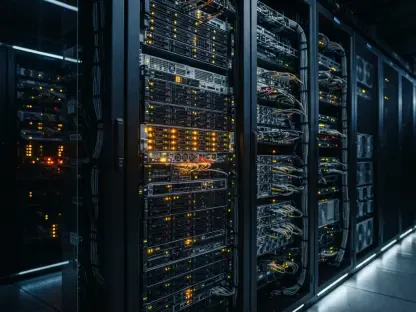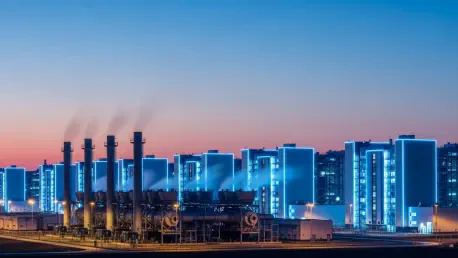

The rapid expansion of artificial intelligence infrastructure across the southeastern United States has triggered a significant legal confrontation between Georgia environmental regulators and several prominent data center operators. As these facilities consume electricity at unprecedented rates, some companies have reportedly resorted to installing their own gas-fired generation units to circumvent the lengthy wait times associated with traditional utility grid connections. The Georgia Environmental Protection Division recently issued citations after discovering that these industrial sites were operating substantial power-generating equipment without the necessary air quality permits or environmental impact assessments required by state law. This development underscores the mounting pressure on the regional power grid, where the demand for high-capacity computing often outpaces the infrastructure’s ability to supply reliable electricity. Consequently, firms are taking energy production into their own hands, leading to a regulatory clash that could redefine how large-scale digital hubs are permitted and monitored within the state’s jurisdiction.
The Regulatory Response: Behind-the-Meter Generation
State officials began investigating several properties in the metropolitan Atlanta area after receiving reports of industrial-scale emissions originating from sites designated solely for data processing. Upon inspection, investigators found that multiple facilities had installed large banks of natural gas turbines and diesel generators designed to provide continuous power rather than just emergency backup. These “behind-the-meter” power plants allow operators to run their servers independently of the local utility, Georgia Power, which has struggled to keep up with the massive load requirements of modern AI clusters. However, Georgia law mandates that any facility capable of producing significant atmospheric pollutants must undergo a rigorous permitting process to ensure compliance with the Clean Air Act. By bypassing these protocols, the firms involved have managed to accelerate their operational timelines at the expense of environmental oversight. The citations issued involve hefty fines and demands for immediate cessation of unauthorized operations until all legal requirements are satisfied, marking a stern warning to the tech industry.
The environmental implications of these unauthorized power plants extend far beyond simple administrative non-compliance, as the localized emissions of nitrogen oxides and particulate matter pose tangible risks to surrounding communities. Regulators expressed particular concern because many of these data centers are located in areas already grappling with industrial congestion and air quality challenges. Without the filtering technology and monitoring systems required by a standard air permit, these makeshift power stations contribute to a degradation of local health standards that the state is legally obligated to protect. Furthermore, the lack of transparency regarding the total output of these units makes it difficult for environmental scientists to accurately model the cumulative impact on the region’s carbon footprint. This situation has sparked a heated debate among local advocacy groups, who argue that the economic benefits of hosting tech giants should not come at the cost of public respiratory health. The Georgia Environmental Protection Division is now under pressure to implement more frequent inspections and stricter reporting mandates.
The Strategic Shift: Navigating Energy Demand and Policy
The decision to install unauthorized power generation highlights a critical bottleneck in the current energy landscape, where the sheer speed of technological advancement often collides with the slow pace of utility expansion. For many data center developers, waiting several years for a high-voltage grid connection is seen as a competitive disadvantage in the race to deploy next-generation AI models. This sense of urgency has fostered a culture of “ask for forgiveness, not permission,” where the financial penalties for environmental violations are sometimes viewed as a mere cost of doing business. Georgia Power recently updated its load projections to account for this surge, yet the physical reality of building new transmission lines and substations remains a multi-year endeavor. As a result, the tension between the state’s desire to be a leading tech hub and its commitment to environmental standards has reached a boiling point. Industry analysts suggest that unless the permitting process is streamlined or grid capacity is dramatically increased, more companies might be tempted to seek off-grid solutions that sit in a legal gray area.
Industry leaders and state legislators realized that the current framework for regulating high-demand digital facilities required a comprehensive overhaul to maintain both economic growth and ecological safety. Stakeholders moved toward a more collaborative model where energy providers and tech firms shared the financial burden of accelerating grid upgrades to reduce the incentive for private, unmonitored power generation. The Georgia Environmental Protection Division implemented a more robust tracking system for auxiliary power units, ensuring that any temporary or permanent installation met the highest standards of emission control from the outset. Furthermore, companies shifted their focus toward sustainable energy sourcing, including large-scale battery storage and hydrogen-ready turbines, to align their operational needs with state climate goals. This proactive stance significantly reduced the frequency of unauthorized power incidents and fostered a more transparent relationship between the private sector and public regulators. By establishing clearer guidelines and faster permitting pathways, the state successfully balanced the needs of the digital economy with the fundamental right to clean air.