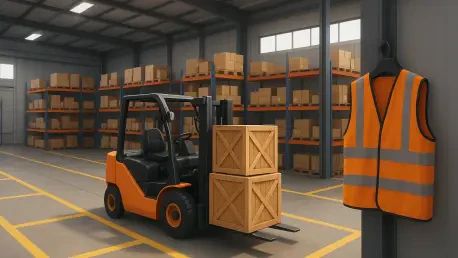

This guide helps moving and storage operators minimize operational risks, navigate complex liability laws, and optimize commercial vehicle procurement through strategic legal planning.
Prioritizing Operational Integrity and Risk Mitigation in Moving and Storage
More than just the transport of furniture, the moving and storage industry represents a high-stakes balancing act where physical logistics must align perfectly with stringent legal protections to avoid catastrophic financial loss. A resilient business model depends on the integration of safety protocols and contractual clarity to survive in an increasingly litigious environment.
Maintaining professional standards requires more than just careful lifting and efficient routing toward the next destination. It demands a holistic view of the company where every employee understands the legal weight of their actions and the safety of the workspace they inhabit every day.
The Intersection of Regulatory Oversight and Commercial Investment
Moving and storage companies no longer function as simple labor providers but as complex entities governed by intricate health and safety statutes and commercial laws. The transition from reactive problem-solving to proactive risk management has become a baseline requirement for any company looking to maintain its reputation and long-term profitability.
As regulatory scrutiny intensifies, the cost of non-compliance can quickly exceed the investment required for proper safety measures. Managers must treat legal literacy as a core competency, ensuring that health and safety legislation is woven into the very fabric of the operational strategy from the start.
A Strategic Framework for Navigating Core Industry Risks
Developing a strategy to handle core risks involves identifying the most vulnerable points in the logistics chain. This process requires a systematic look at how people, vehicles, and property interact within the business environment.
Addressing these risks systematically allows an organization to build layers of protection that serve as a buffer against unforeseen accidents. This structured approach provides the necessary stability to handle the complexities of modern storage and transit operations without compromising on service quality.
1. Enhancing Site Safety and Workplace Transport Management
Effective site management begins with the recognition that moving vehicles and stationary pedestrians are a dangerous combination in any warehouse setting. Protecting human life is the most critical factor in avoiding the devastating legal and moral repercussions of a workplace fatality.
Operators must prioritize the physical layout of their facilities to reflect a commitment to safety over mere convenience. By focusing on the flow of transport, a business can drastically reduce the number of potential collision points between heavy machinery and staff.
Physical Segregation of Vehicles and Pedestrians
Total isolation of personnel from moving trucks and forklifts remains the most effective method for preventing serious injuries. Where total separation is not feasible, businesses must establish clearly defined traffic routes and secure walkways that provide a safe harbor for employees.
Creating these physical boundaries requires a constant assessment of how workers move through the depot during peak hours. Moreover, the presence of physical barriers acts as a permanent reminder of the inherent dangers present in a high-activity loading zone.
Implementation of Traffic Control Measures
The use of physical barriers, speed limiters, and high-visibility signage ensures that vehicle movements are predictable and controlled. Consistent traffic control measures help to eliminate the chaos often found in busy yards, where drivers may feel rushed to meet tight deadlines.
Furthermore, signage must be placed strategically to provide clear instructions to both staff and external contractors who may be unfamiliar with the site layout. These simple visual cues are essential for maintaining order and preventing accidental entry into hazardous zones.
Continuous Competency Training and Maintenance
Equipment must be rigorously maintained to ensure that every vehicle operates within its safety specifications at all times. Regular inspections prevent mechanical failures that could lead to unpredictable movements or accidents during critical loading procedures.
In tandem with maintenance, every operator must undergo regular training to ensure they remain competent in handling specialized machinery. This commitment to continuous learning helps to refresh safety knowledge and introduces new techniques for managing equipment in difficult conditions.
Execution of Dynamic Risk Assessments
Safety protocols must evolve alongside the business by accounting for new equipment, modified workflows, or changes in the workforce. Regular reviews are necessary to ensure that previous risk assessments remain relevant as the operational environment shifts over time.
These assessments should involve input from the ground staff who interact with the site hazards daily. By engaging employees in the process, management can identify hidden risks that might not be visible from a strictly administrative perspective.
2. Managing Goods-in-Transit Liability and Claims
When handling the possessions of a customer, operators must have a robust system to manage the emotional and financial sensitivity of transit claims. Meticulous care in the handling phase must be matched by an equally rigorous approach to the legal documentation of the process.
A successful business treats every claim as a legal event that requires a disciplined response. By standardizing the way damage or loss is recorded, a company can defend its interests against unfair claims and protect its insurance standing.
Identifying the Legal Framework for Liability
Responsibility for goods is determined through a combination of service contracts, insurance policies, and international conventions like the CMR for road transport. Understanding which rules apply to a specific move is the first step in determining the limits of a company’s financial exposure.
This legal framework provides a predictable structure for resolving disputes before they escalate into expensive litigation. Knowing the nuances of these laws allows an operator to set clear expectations with clients regarding the extent of their liability.
Meticulous Evidence Preservation and Documentation
A successful defense against claims relies on a paper trail that includes vehicle inspections, high-resolution photographs of goods, and tachograph data. Documenting the condition of items before and after transit provides the objective evidence needed to settle disputes fairly.
Moreover, keeping digital records of every transaction ensures that information is easily accessible when an insurer requests proof of care. This focus on detail transforms anecdotal claims into factual discussions, reducing the time spent on administrative back-and-forth.
Maintaining Proactive Communication with Insurers
Immediate notification of potential claims is vital to ensure coverage and prevent the business from incurring unnecessary legal and repair costs. Delays in communication can lead to a denial of coverage, leaving the operator to handle the financial burden of the claim alone.
Maintaining a transparent relationship with insurance providers also helps in negotiating better premiums over time. When an insurer sees that a business is proactive about reporting and managing risks, they are more likely to offer favorable terms.
3. Navigating Complexities in Commercial Vehicle Procurement
Purchasing specialized moving vehicles involves significant capital and complex legalities that can impact fleet reliability for years. These transactions are not simple consumer purchases but involve business-to-business laws that provide different levels of protection.
Operators must approach every acquisition with a critical eye, ensuring that the vehicles they buy are truly capable of performing the tasks required. Neglecting the legal details of a purchase can result in a fleet that is more of a liability than an asset.
Establishing Fit for Purpose Standards in B2B Transactions
Operators must ensure that vehicle specifications match their intended use, as failing to meet these needs can provide grounds for a legal claim. If a seller knows the specific requirements of the removal industry and provides an inadequate vehicle, the buyer has legal recourse.
This standard requires the buyer to be explicit about their needs during the negotiation phase. Documenting these requirements in the purchase agreement is the best way to hold a dealer accountable for the performance of the vehicle.
Understanding the Tripartite Relationship in Finance Agreements
Navigating the legal labyrinth between the dealer, the finance company, and the operator is essential when defects arise in leased equipment. Because the finance company often owns the vehicle, the operator may find themselves in a difficult position when trying to resolve mechanical issues.
This tripartite structure means that payments may still be due even if the vehicle is off the road for repairs. Understanding these contractual obligations beforehand allows a business to plan for contingencies and avoid being trapped in a predatory agreement.
Overcoming Contractual Limitations and the Burden of Proof
Retaining original purchase orders, sales correspondence, and independent engineering reports is crucial for challenging the sale of unsuitable vehicles. The burden of proof rests on the operator to show that the equipment did not meet the agreed-upon standards.
Without this evidence, a business has very little leverage when dealing with a manufacturer or a finance provider. Consistent record-keeping during the procurement process serves as the primary shield against receiving faulty or underperforming fleet assets.
Key Takeaways for Proactive Risk Management
Maintaining total separation between pedestrians and machinery is the most effective way to prevent workplace incidents. Every manager should prioritize physical infrastructure that guides traffic flow and protects staff from the heavy vehicles that define the daily workspace.
Meticulous record-keeping remains the primary defense against both transit claims and contractual disputes. By treating documentation as a vital part of the service, operators protect their bottom line and ensure that their reputation for reliability remains untarnished in the eyes of their clients.
Future Outlook and Industry Evolution
The integration of telematics and automated safety systems will continue to reshape how storage operators manage their liabilities. Looking from 2026 toward 2029, the industry will likely see a greater reliance on real-time data to verify safety compliance and settle transit disputes instantly.
Companies that embrace these technological advancements will find it easier to meet the rising expectations of both regulators and commercial clients. Staying ahead of these trends involves a commitment to investing in the future of the fleet and the digital tools that support it.
Strengthening Your Business Against Operational Disruptions
The most successful operators adopted a culture of transparency and legal foresight to protect their commercial interests. They recognized that site organization and rigorous documentation were the only ways to minimize the impact of inevitable transit claims. By navigating procurement contracts with extreme care, these businesses avoided the trap of paying for unreliable equipment that stalled their growth.
Every decision made within the depot or on the road was viewed through the lens of proactive risk management. The industry learned that early legal intervention and a dedication to safety protocols were the strongest foundations for long-term resilience. Ultimately, moving beyond basic compliance proved to be the most effective way to keep the business moving forward in a challenging regulatory landscape.