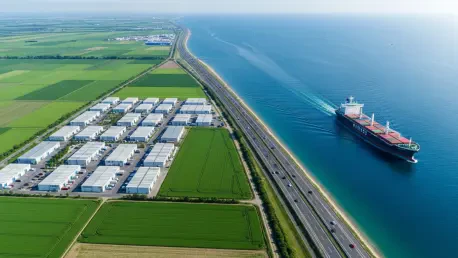

Transforming Mozambique’s Blue Economy and Regional Infrastructure
The vast coastline of Mozambique is finally shedding the weight of antiquated colonial and post-independence regulations to embrace a future where maritime efficiency dictates the pace of national prosperity. This strategic position along the Indian Ocean serves as the heartbeat of economic revitalization, with the maritime sector acting as the primary catalyst for growth. By prioritizing the blue economy, the government seeks to unlock latent potential within ports and shipping lanes, ensuring that natural oceanic assets translate into tangible wealth. A central pillar of this transformation involves the promotion of cabotage operations to streamline domestic logistics and decrease reliance on expensive overland transport.
The restructured Institute of Maritime Transport, now operating as ITRANSMAR, plays a pivotal role in this landscape by synchronizing ministerial objectives with practical enforcement. This institutional realignment ensures that maritime policies are integrated into the broader logistical goals of the Ministry of Transport and Logistics. Furthermore, the establishment of regional development agencies signals a shift toward decentralization. By empowering provincial authorities to oversee their own socio-economic output, the state aims to foster an inclusive growth model that bridges the gap between urban centers and rural coastal communities.
Navigating Growth Through Strategic Shifts and Sectoral Integration
Emergent Trends in Coastal Logistics and Integrated Rural Development
The current decade marks a turn toward market-oriented production through the Agricultural Transformation Programme for 2027 to 2030. This initiative bridges the gap between inland farming and coastal fishing, creating a unified supply chain that leverages modern shipping routes. Parallel to these efforts, the Pro-Water Compact 2026 to 2036 introduces a robust framework for climate-resilient sanitation infrastructure. Autonomy has also become the watchword for regional management, exemplified by the creation of the Southern Integrated Development Agency, known as ADISUL, to manage growth directly within the southern corridor.
Projected Socio-Economic Impact and Market Performance Indicators
Modernized vessel management systems are expected to decrease transportation overheads and improve safety through standardized navigation protocols. Specialized agency oversight in Inhambane, Gaza, and Maputo is projected to spark a surge in provincial GDP. These regions are poised to become logistical hubs serving both domestic needs and regional trade. Moreover, the alignment of maritime policy with agricultural goals provides a clear path toward enhanced food security and export potential, opening new revenue streams for small-scale producers.
Overcoming Structural Bottlenecks and Environmental Vulnerabilities
The shipping industry long struggled under the constraints of outdated statutes from 2006 and 2007 that failed to account for modern technological advancements. The current legislative overhaul removes these barriers, providing a legal environment that rewards innovation rather than penalizing it. However, the risk of marine pollution remains a concern as industrial activity grows. Stricter oversight now mandates rigorous reporting, balancing rapid industrial expansion with the urgent need for climate-resilient water and sanitation infrastructure.
Strengthening the Legal Pillars of Maritime Safety and National Security
The backbone of this reform is the new Merchant Shipping Law and the updated Maritime Transport Regulation. These documents provide a comprehensive legal map for vessel registration and seafarer rights. National security is also bolstered through the National Hybrid Security Strategy, which addresses maritime border threats through a blend of naval strength and technological surveillance. Additionally, administrative restructuring is facilitating the upcoming 12th African Union Region 5 Youth Games, proving the state can manage large-scale logistics with precision.
Mapping the Horizon for Mozambique’s Industrial and Logistics Landscape
Technological innovation is set to redefine maritime traffic control through advanced tracking and automated port systems. Future growth areas include sustainable coastal fishing and market-oriented agribusiness, as these sectors benefit from newly efficient transport corridors. However, climate-driven policy shifts or regional security dynamics could act as market disruptors. The long-term impact of decentralized development will also depend on managing migration patterns to prevent overwhelming the infrastructure of major cities as regional hubs grow.
Synthesis of Reform Efforts and Strategic Recommendations for Stakeholders
The legislative overhaul established a foundation for a competitive shipping environment by replacing restrictive codes with a framework that prioritized safety and logistical fluidity. Stakeholders recognized that success depended on maintaining a transparent regulatory climate. Sustained investment in climate-resilient infrastructure became the non-negotiable requirement for stability. Private investors were advised to consider broader opportunities in agribusiness and sanitation while the nation emerged as a modernized maritime hub in Southern Africa.