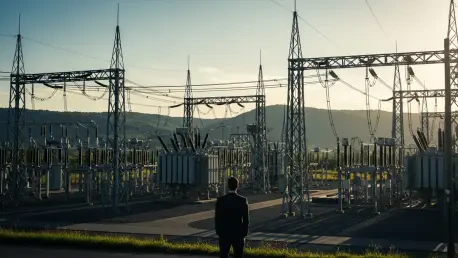

The Intersection of Power, Policy, and Public Frustration in New York
Monthly utility bills in the Hudson Valley have transformed from routine expenses into powerful political weapons that determine the fate of congressional incumbents and state-level policy directions. The political landscape of New York has emerged as a high-stakes battleground where the rising cost of living meets the complex and often opaque machinery of energy policy. At the heart of this struggle is a fierce debate over energy affordability, corporate influence, and the accountability of elected officials during a period of economic transition. As residents face increasingly burdensome utility bills, national and local political actors are weaponizing these costs to sway voter sentiment in one of the most competitive congressional districts in the country.
This conflict centers on U.S. Representative Mike Lawler and a broader struggle between progressive climate mandates and corporate lobbying efforts. By examining the financial ties and legislative records at play, it becomes clear how energy has transformed from a basic utility service into a volatile tool of modern electoral strategy. The current environment suggests that voter anxiety over monthly expenses is being channeled into a larger referendum on the state’s ideological direction. This analysis explores the brewing friction and the implications for both the energy sector and the political future of the region.
The Evolution of New York’s Energy Infrastructure and Lobbying Landscape
To understand the current friction, one must look back at the historical shifts in the energy sector of New York. For decades, the state’s energy landscape was defined by a mix of nuclear power and fossil fuels, overseen by a regulatory framework designed to ensure stability and low-cost delivery. However, the 2019 Climate Leadership and Community Protection Act marked a radical shift toward electrification and renewable energy. This transition coincided with the decommissioning of the Indian Point nuclear plant, a move that critics argue left a significant void in the energy supply of the state.
Historically, utility companies have maintained a robust presence in Albany and Washington, employing lobbyists to navigate these shifting regulatory waters and protect their infrastructure investments. This background of rapid policy changes and deep-seated industry influence has set the stage for the current “blame game” between parties over who is truly responsible for the financial strain on households. The collision of aggressive environmental goals with the practical realities of grid reliability has created a vacuum where political rhetoric often replaces substantive policy discussion.
The Architecture of Influence and Advocacy
Corporate Contributions and the “Toxicity” of Utility PACs
A critical aspect of the current conflict is the scrutiny of campaign finances, specifically the donations from utility-linked Political Action Committees (PACs). Representative Mike Lawler has become a primary target for the Democratic Congressional Campaign Committee, which points to contributions he received from utility giants like NextEra and Exelon. While this sum represents a small fraction of his total fundraising, the symbolic weight of these donations remains immense in the eyes of a frustrated electorate. In a high-inflation environment, any financial tie to the companies sending out monthly bills can be framed as a conflict of interest that compromises the independence of a legislator.
This strategy aims to portray Lawler not as a representative of his constituents, but as an ally of corporate interests, raising fundamental questions about the role of industry money in shaping federal energy legislation. The debate over these contributions highlights a growing trend where even standard industry donations are viewed through a lens of “toxicity.” As candidates navigate this landscape, the pressure to distance themselves from traditional energy donors increases, reflecting a shift in how the public perceives the relationship between private capital and public service.
The Lobbyist Legacy and Policy Advocacy
The debate gains further depth when examining the professional history of Lawler prior to his congressional tenure. In the recent past, Lawler served as the executive director for “New Yorkers for Affordable Energy,” a coalition backed by major fossil fuel and utility interests. In this role, he advocated against municipal efforts to phase out natural gas and challenged aggressive state climate mandates that he argued would destabilize the market. Critics argue that this history demonstrates a long-term ideological commitment to the fossil fuel industry at the expense of green innovation.
Conversely, supporters view this background as evidence of his expertise in energy reliability and his understanding of the economic consequences of a rapid transition. They contend that his advocacy was focused on preventing the very price spikes that consumers are now experiencing, framing his past work as a defense of the working class against experimental and costly energy transitions. This dichotomy illustrates the broader national divide between those who prioritize immediate economic stability and those who advocate for a rapid shift to a carbon-neutral economy.
Market Realities versus Partisan Narratives
The conflict is further complicated by the reality of energy economics, which often contradicts simplified partisan talking points used during campaign cycles. While some political actors blame “green” mandates for rising costs, state data indicates that climate-related policies currently account for a relatively small percentage of the average monthly bill. On the other hand, the Public Service Commission has approved significant rate hikes to fund infrastructure modernization and storm resiliency, which are essential for long-term grid health.
Additionally, the global volatility of natural gas prices remains a primary driver of utility costs, an issue that is largely outside the control of individual state or federal representatives. These complexities suggest that neither corporate greed nor environmental regulation is the sole culprit for the current affordability crisis. Yet, the political discourse continues to overlook these nuances in favor of more digestible, partisan-friendly explanations that fail to address the underlying structural issues of the energy market.
The Future of Energy Regulation and Electoral Consequences
As the election cycle approaches, several emerging trends are likely to shape the future of this conflict and the broader regulatory environment. Innovations in renewable energy technology and the continued push for grid modernization will require unprecedented capital investment, likely leading to further requests for rate increases from utilities. Regulators will face the daunting task of balancing these necessary upgrades with the public’s demand for affordability and transparency. Furthermore, the perceived toxicity of utility donations may lead to a shift in campaign finance strategies, with candidates on both sides of the aisle becoming more cautious about their public associations with energy giants.
The outcome of the race in the Hudson Valley will serve as a bellwether for how voters nationwide perceive the trade-offs between aggressive climate action and immediate economic relief. It is expected that the next several years will see an increase in state-level interventions designed to cap rate hikes, even as the federal government continues to push for a cleaner energy mix. This tension between federal mandates and local economic realities will define the next phase of the American energy transition.
Strategies for Navigating the Energy Affordability Crisis
For consumers and professionals trying to navigate this landscape, several key takeaways emerge from the ongoing New York conflict. It is essential to distinguish between federal jurisdiction and state-level regulatory authority; while congressional representatives influence national energy policy, local utility rates are primarily governed by state-appointed commissions. Businesses and consumers should stay informed about state-level programs designed to offset transition costs, such as energy efficiency rebates and assistance programs that can provide immediate relief.
Additionally, staying engaged with the public comment periods of the Public Service Commission provides a direct, non-partisan avenue to influence the rate-making process. Understanding the multifaceted drivers of energy costs allows for a more informed participation in the democratic process, moving beyond the simplified rhetoric of campaign advertisements. Developing a localized strategy that focuses on energy diversification and efficiency remains the most effective way for households to mitigate the impact of global price volatility and domestic policy shifts.
Conclusion: The Long-Term Stakes of the Energy Debate
The political conflict over energy costs in New York represented a significant turning point in how infrastructure policy intersected with electoral politics. This clash highlighted the inherent tension between the urgent need for a clean energy transition and the immediate necessity of economic stability for the middle class. As the Hudson Valley race demonstrated, energy policy became a central pillar of strategy, where corporate influence and legislative records were scrutinized with an intensity that moved beyond traditional environmental concerns.
Stakeholders found that the resolution of this conflict required a move toward greater transparency in how utility rates were determined and how campaign contributions influenced policy outcomes. Moving forward, the development of a balanced energy landscape prioritized both the environment and the consumer’s wallet through a more nuanced understanding of market drivers. Policy leaders adopted strategies that integrated technological innovation with robust consumer protections, ensuring that the transition to a sustainable future did not come at the expense of social equity. This period served as a reminder that the path to energy independence required bipartisan cooperation and a commitment to facts over rhetoric.