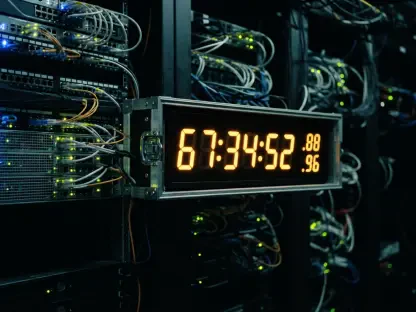

The silent exchange of bytes between municipal servers and private cloud architectures now dictates the efficacy of public safety more than the physical presence of a patrol car on a street corner. This transition from traditional, boots-on-the-ground policing to data-centric models represents a

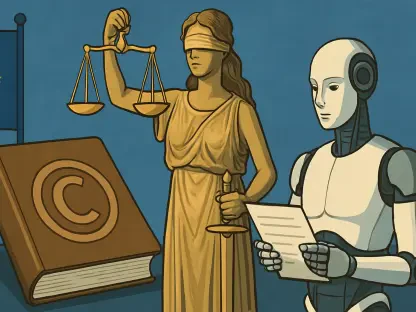
Any AI-related patent application filed in the Philippines must be scrutinized to ensure that the claimed invention does not contravene public order or established standards of morality. This foundational principle has gained renewed significance as the Intellectual Property Office of the

Desiree Sainthrope stands at the vanguard of the legal community, serving as a definitive voice on the complex intersection of global trade, intellectual property, and the rapidly shifting landscape of artificial intelligence. As a seasoned legal expert with a mastery of trade agreements and global
Former Public Service Commission chair Kent Chandler has questioned the legal weight of executive orders in controlling the growth of data centers, suggesting that legislative action may be required for true enforcement. This legal ambiguity arrives at a critical juncture as Kentucky grapples with

The Great Infrastructure Pivot: From Economic Boon to Political Liability The sleek glass and steel walls of American data centers, once heralded as beacons of progress, are now becoming the most contentious battlegrounds in local politics. For years, the arrival of a massive data center in a

Floor preemption establishes a baseline of national safety standards while still allowing cities to enact unique consumer protections tailored to their residents. This legal principle has become the epicenter of a fierce jurisdictional tug-of-war as artificial intelligence reshapes the American