
The African Union (AU) has articulated a comprehensive strategy designed to promote gender equality and empower women across the continent. As a bold and visionary agenda, this strategy aims to harness the potential of all human resources to advance Africa into a prosperous and peaceful region.

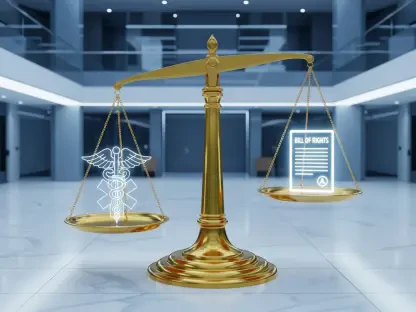
The adverse impact of anti-LGBTQ+ policies on the health and well-being of not only LGBTQ+ individuals but also the general public in the United States is a pressing issue that cannot be ignored. In 2024, state legislatures introduced a record-breaking 533 bills targeting LGBTQ+ populations,

In August 2023, Jordan enacted a new Cybercrimes Law that had a profound impact on the freedom of expression within the country. The new amendments to the original 2015 Cybercrimes Law have significantly broadened the scope of offenses and endowed public prosecutors with the authority to take legal

The Trump administration's approach to civil rights enforcement has sparked significant controversy, particularly regarding its impact on transgender rights. By repurposing Title IX, a federal law designed to prevent sex-based discrimination in education, the administration has targeted transgender
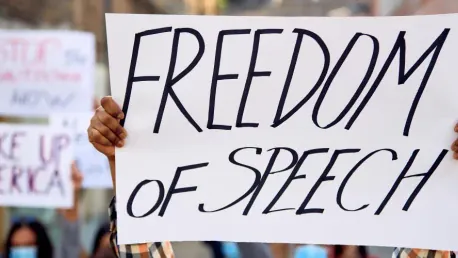
The recent amendments to Pakistan's cybercrime law have ignited a firestorm of controversy among journalists and media professionals. The Prevention of Electronic Crimes (Amendment) Act of 2025 was passed with unprecedented speed, bypassing thorough debate in both houses of parliament. President

A collective call to action is being made by various human rights organizations, trade unions, and civil society groups advocating for the European Commission to enforce a ban on all trade and business dealings between the European Union (EU) and Israel’s illegal settlements in the Occupied