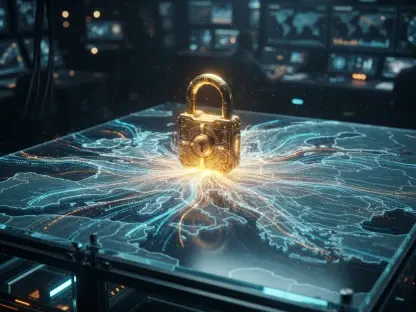

The rapid proliferation of sophisticated generative artificial intelligence has pushed iconic artists like Lionel Richie to explore radical legal avenues to safeguard their distinctive vocal identities from unauthorized digital replication. As deepfake technology becomes indistinguishable from reality, the traditional boundaries of copyright and publicity rights are being tested by those whose voices serve as their primary professional asset. While copyright protects a specific recording, it does not inherently protect the timbre or soul of a performer’s delivery, leaving a significant gap in the legal framework that bad actors exploit for commercial gain. For an artist whose career spans decades, the ability to control how their likeness is used is not merely a matter of personal vanity but a fundamental necessity for maintaining the integrity of a lifelong body of work. The debate now centers on whether a voice can function as a trademarked source identifier in a crowded digital marketplace.
Digital Identity: Legal Protections for the Artist
The Evolution of the Right of Publicity
Historically, the legal battle over vocal mimicry was defined by landmark cases such as Midler v. Ford Motor Co., where the court ruled that an artist’s voice is as distinctive as their face and cannot be appropriated for profit without consent. This right of publicity has served as the primary defense for entertainers, yet it remains a state-level protection that lacks the uniformity of federal trademark law. In the current landscape, the ease with which AI models can ingest a singer’s entire discography to produce unauthorized tracks has rendered these older precedents insufficient for protection across global platforms. The shift toward trademarking a voice represents a desire for a more robust, federally recognized shield that would allow artists to issue takedown notices with greater authority. By treating a vocal signature as a brand, performers hope to leverage the Lanham Act to prevent consumer confusion regarding the true origin of a specific digital performance.
Trademarking Vocal Timbre as a Brand Identifier
Transitioning from state publicity rights to federal trademark registration presents unique hurdles because trademarks are designed to identify the source of goods rather than protect the inherent qualities of a person. However, the precedent for non-traditional trademarks, including sounds like the NBC chimes, suggests that if a voice is sufficiently unique and serves a commercial function, it might qualify for protection. For an artist of Richie’s stature, the challenge lies in proving that his specific vocal texture functions as a source identifier for musical entertainment services. Legal experts argue that when a fan hears a specific tone and immediately associates it with the Richie brand, that voice has acquired secondary meaning in the eyes of the consumer. This conceptual leap is necessary because AI deepfakes do not just copy a song; they copy the essence of the artist’s brand, confusing audiences and diluting the market value of the genuine performer’s future work.
Synthetic MediNavigating the Technical Future
Technical Watermarking and Asset Protection
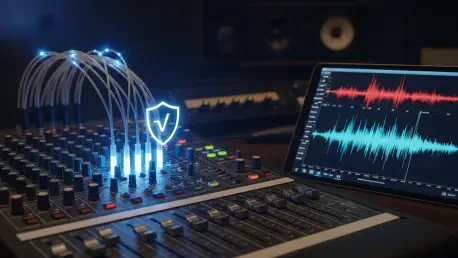
Beyond the courtroom, the industry is looking toward technical solutions that can work in tandem with legal filings to protect vocal assets from being ingested by large language models without authorization. Digital watermarking and cryptographically signed metadata are becoming standard requirements for distribution, allowing artists to track where their vocal samples are being used and how they are being manipulated. These digital fingerprints allow streaming platforms to automatically flag and remove AI-generated content that matches the protected vocal profile of a registered artist. This technological approach provides a proactive layer of defense that complements the reactive nature of litigation, creating a digital barrier that is harder for amateur deepfakers to bypass. By integrating these markers into recordings, artists can ensure that any unauthorized derivative work is recognizable as a violation of their intellectual property rights, regardless of a trademark’s status.
Legislative Evolution and Professional Safeguards
The legal community ultimately recognized that protecting a performer’s voice required a multifaceted strategy involving trademark law, legislative reform, and advanced technical safeguards. Artists were advised to begin documenting their vocal brand as early as possible by filing for sound marks and utilizing blockchain-based verification for all new studio masters. Industry leaders emphasized the importance of standardizing licensing contracts to include specific clauses regarding generative AI and synthetic replicas to prevent future exploitation. These proactive steps allowed creators to reclaim control over their digital personas and established a new precedent for how human identity was handled in an increasingly automated world. Moving forward, stakeholders focused on developing transparent attribution systems that clearly distinguished between human and machine performances, ensuring that the connection between fans and artists remained authentic and secure.