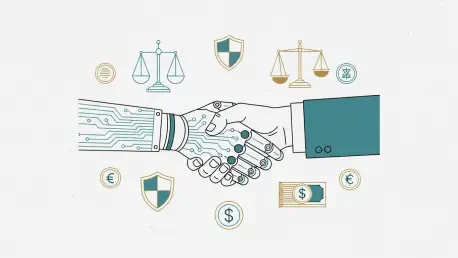

The rapid expansion of Africa’s digital economy has reached a critical juncture where the initial phase of unchecked entrepreneurial experimentation is yielding to a sophisticated era of institutional oversight and legal accountability. Across the continent, governments are no longer passive observers of technological disruption but are instead actively participating in the creation of a regulatory framework that prioritizes sovereignty and consumer welfare. This fundamental shift is visible in the increasing number of high-profile legal battles over intellectual property and the state-led efforts to mediate labor disputes within the gig economy. As the marketplace matures, the stakes for international investors and local startups alike have shifted from mere user acquisition to the necessity of navigating a complex landscape of compliance and ethics. The transition suggests that the coming years will be defined by how effectively the African tech ecosystem can harmonize its capacity for innovation with the growing demands for transparency.
Safeguarding Innovation: The MTN Legal Conflict
The ongoing legal dispute between MTN Ghana and Clydestone Ghana Plc represents a watershed moment for intellectual property rights within the African fintech sector, particularly concerning the foundational architecture of mobile financial services. This conflict centers on the proprietary framework of the Mobile Money service, an innovation that has transitioned from a niche local solution into a massive regional economic engine supporting millions of users. By challenging a telecommunications giant over the origins of digital payment concepts, smaller local entities are signaling a new level of legal assertiveness that characterizes the current technological climate. This case highlights the reality that in an environment where digital solutions are the primary drivers of financial inclusion, the ownership of underlying code and operational logic is as valuable as physical infrastructure. It forces a reassessment of how technological ideas are shared, licensed, and protected during the early stages of market entry.
Intellectual Property: Fintech Market Implications
Beyond the immediate legal ramifications in Ghana, the ripple effects of such litigation are being felt across global financial markets, directly influencing how venture capitalists perceive risk in African tech ventures. When news of the MTN lawsuit surfaced, the resulting fluctuations in the parent group’s share prices illustrated the profound vulnerability that unresolved intellectual property claims can introduce to even the most established corporations. This situation serves as an urgent reminder for both nascent startups and multinational conglomerates to prioritize the formalization of agreements and the securing of patents during the earliest phases of development. As the continent enters a period of intense competition between indigenous innovations and global platforms, the clarity of ownership will determine which entities can successfully scale without the threat of debilitating litigation. Consequently, the trend toward proactive IP management is becoming a cornerstone of sustainable growth.
Labor Relations: Nigeria’s Platform Economy Shift
In Nigeria, the regulatory focus has increasingly shifted toward the precarious nature of the platform economy, specifically addressing the growing friction between digital service providers and their independent contractors. As economic pressures such as inflation and rising fuel costs squeeze the margins of ride-hailing drivers, the traditional hands-off approach to gig labor is being replaced by active government mediation and institutional intervention. The involvement of the Public Complaints Commission in disputes involving platforms like Uber and Bolt indicates that the Nigerian government now views these tech companies as major employers that must adhere to broader labor standards. This shift is not merely about adjusting fare structures but about establishing a long-term framework where the welfare of the workforce is integrated into the operational model of digital platforms. It reflects a growing recognition that the sustainability of the digital economy depends on the workforce.
Worker Welfare: Establishing a Sustainable Gig Model
This evolving regulatory landscape seeks to strike a delicate balance between preserving the efficiency and flexibility of the gig model and preventing the systemic exploitation of workers who lack traditional employment protections. By facilitating dialogues between international tech platforms and local driver unions, authorities are creating a template for labor relations that could soon be adopted by other rapidly urbanizing nations across the continent. The challenge for regulators involves crafting policies that are robust enough to protect worker rights without imposing such heavy burdens that platforms are forced to exit the market or significantly raise prices for consumers. Success in this area will require a nuanced understanding of how digital algorithms influence earning potential and a commitment to transparency in how platforms interact with their labor force. These negotiations will likely redefine the social contract between technology providers and the workforce.
Consumer Rights: South Africa’s Data Mandates
South Africa has positioned itself at the forefront of digital consumer rights by implementing rigorous mandates that require telecommunications operators to allow the rollover of unused data bundles for their subscribers. The Independent Communications Authority of South Africa (ICASA) has championed these changes to ensure that individuals receive the full value of the services they purchase, challenging the industry standard of expiring digital assets. This regulatory push is motivated by a desire to increase digital inclusion and reduce the financial burden on consumers in a market where data costs remain a significant barrier to internet access. However, the implementation process has revealed the complexities of regulating a sector where pricing models are often built on specific usage patterns and short-term promotions. Telecommunications firms have argued that broad rollover requirements could undermine the economic feasibility of low-cost micro-bundles used by the most vulnerable populations.
Digital Inclusion: Balancing Policy with Profitability
To navigate these challenges, regulators have introduced specific exemptions and tiered structures that attempt to protect the functionality of the market while upholding the principle of consumer fairness. This approach demonstrates a maturing regulatory philosophy that recognizes the need for flexibility when applying universal standards to a diverse and economically stratified user base. By differentiating between standard data packages and short-term promotional offers, South African authorities are attempting to shield the poor from potential price hikes while still holding large corporations accountable for their business practices. The outcome of this regulatory experiment will provide critical insights for other African nations seeking to harmonize corporate profitability with the rights of the digital consumer. As the digital divide narrows, the focus on ensuring that every byte of data purchased provides maximum utility will remain a central theme in the continental effort for a fair society.
Corporate Accountability: A Maturing Tech Landscape
The transition from an era of rapid, unregulated growth to one of institutional scrutiny marks a fundamental maturation of the African technology landscape, where corporate accountability is no longer an optional consideration. Companies operating on the continent now face an environment where their growth strategies must be aligned with local legal standards, labor expectations, and consumer rights protections. This shift is increasingly viewed not as a hindrance to innovation, but as a necessary step toward building a resilient market that can withstand global economic shifts and local social demands. The rise of litigation and regulatory oversight serves to flush out unsustainable business practices, creating a more level playing field where value is built on solid legal and ethical foundations. As the digital ecosystem becomes more integrated into the daily lives of citizens, the role of the state in ensuring fair play and protecting national interests will only continue to expand for years.
Future Outlook: Resolution of Regulatory Conflicts
Navigating this new regulatory terrain required a fundamental shift in how tech entities approached their operations within the evolving African marketplace throughout the mid-twenties. Stakeholders who prioritized the early adoption of robust legal frameworks and transparent labor practices found themselves better positioned to weather the storms of institutional scrutiny and public pressure. The resolution of high-stakes intellectual property disputes and the formalization of gig worker protections provided the necessary stability for the next phase of continental digital expansion. Leaders in the industry recognized that the path to long-term success involved moving beyond short-term disruption toward a model of sustainable and inclusive development. By embracing a future defined by accountability and equitable growth, the African tech sector successfully laid the groundwork for a more mature and resilient digital economy. These actions ensured that innovation remained a force for positive transformation.