
The sudden designation of peaceful artificial intelligence skepticism as a form of homegrown extremism by the New York Intelligence and Counterterrorism Bureau marks a significant escalation in how state authorities perceive digital dissent. According to recent intelligence reports, the intersection of technological dissent and American law enforcement is shifting toward a more confrontational stance that targets community organizers and non-profit organizations. This trend suggests that government agencies are actively conflating legitimate civil frustration regarding AI infrastructure with violent extremist threats. The classification of peaceful protests as “anti-tech extremism” raises profound questions about the future of activism in a society increasingly dominated by large-scale computing systems. As agencies prioritize the protection of physical data assets, the boundary between environmental advocacy and criminalized dissent becomes dangerously blurred, potentially alienating citizens who are concerned about the rapid societal integration of these complex technologies.
Socioeconomic Drivers of Digital Discontent
Economic Displacement: The Struggle for Career Stability
The public resentment currently fueling opposition to artificial intelligence is deeply rooted in tangible economic grievances that affect the stability of the middle class and the prospects of young professionals entering the workforce. Many critics highlight the widespread destruction of entry-level career paths, particularly in creative and analytical fields, as a primary reason for their sustained opposition to the technology. As automation continues to induce labor market volatility, the traditional trajectory for professional growth has been disrupted, leading to a profound sense of anxiety among those who find their specialized skills rendered obsolete by algorithmic replacements. This is not merely a resistance to change but a response to a perceived lack of reciprocal value in the current economic model, where the benefits of automation appear concentrated within a small elite. Consequently, the frustration among displaced workers has shifted from quiet resignation to organized, vocal protests that challenge the existence of systems responsible for financial insecurity.
Beyond the immediate concerns of job security, many skeptics view the current trajectory of artificial intelligence as a bottomless money sink that consumes massive amounts of capital without providing commensurate societal benefits. Despite trillions of dollars in corporate investment, the resulting products, such as unreliable large language models and error-prone diagnostic tools, frequently provide incorrect or hallucinated information to the public. This disparity between the high environmental and financial price tags and the questionable quality of the end-user technology has created a growing consensus among critics that the industry is fundamentally unsustainable. Consumers are increasingly frustrated that they are expected to bear the indirect costs of this development through higher prices for consumer electronics and reduced quality in digital services. The perception that the public is subsidizing a speculative bubble contributes to the hardening of attitudes against physical tech infrastructure, transforming general skepticism into a focused movement.
Environmental Strains: Resource Competition in Local Communities
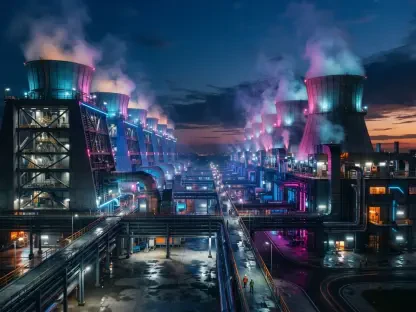
The environmental toll of maintaining massive computing clusters has become a major flashpoint for local communities that find themselves in direct competition with technology giants for essential resources like water and electricity. Data centers require millions of gallons of water daily for cooling systems, which often puts a severe strain on local aquifers during periods of drought or resource scarcity. In many regions, the massive energy requirements of these facilities have driven up utility costs for residents and slowed the transition to more sustainable power grids by prioritizing industrial demand over the needs of the general population. This physical footprint makes the technology a visible target for those who feel that their basic rights to clean water and affordable energy are being sacrificed for the benefit of global tech corporations. The tension is further exacerbated by the fact that many of these data centers provide few local jobs once construction is completed, leading to a sense that communities are being exploited for resources.
Public anger toward these installations has led to a surge in local activism aimed at blocking the expansion of digital infrastructure in sensitive ecological zones or residential neighborhoods. Activists are increasingly using legal challenges, zoning protests, and public awareness campaigns to highlight the hidden costs of the digital age, framing their opposition as a necessary defense of the natural environment. However, as these protests become more effective at delaying projects, law enforcement agencies have begun to monitor these groups with greater intensity, viewing their efforts as potential disruptions to vital national interests. The shift toward labeling these environmental advocates as “extremists” suggests a refusal by the state to engage with the legitimate concerns regarding resource management and ecological preservation. By prioritizing the uninterrupted growth of computing capacity over the environmental health of local communities, the government is creating a scenario where peaceful advocacy is met with the tools of national security.
Institutional Surveillance: The Mechanics of State Monitoring
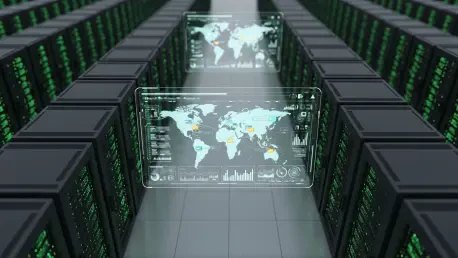
In response to the growing wave of public unrest, law enforcement agencies have mobilized a nationwide network of 80 fusion centers to monitor and analyze perceived threats to technology infrastructure. These centers serve as a critical nexus for intelligence sharing between federal agencies, such as the Department of Homeland Security and the FBI, and state or local police departments. Their primary mandate in this context is to safeguard data centers, which have been designated as strategic assets vital to the national economy and security. Intelligence documents suggest that the government is bracing for a chaotic atmosphere of civil unrest between 2026 and 2031, leading to a proactive surveillance posture aimed at identifying potential disruptions before they occur. This securitization of private corporate infrastructure marks a significant shift in the role of public police forces, as they are increasingly tasked with protecting the physical assets of tech companies from the political fallout of those companies’ own business decisions.
The evolution of technology policy required a decisive shift toward a model that protected fundamental civil liberties while managing the rapid growth of digital infrastructure. Policymakers and community leaders recognized that labeling skepticism as extremism was a counterproductive strategy that only deepened societal divisions and eroded trust in public institutions. To address these challenges, many advocates proposed the establishment of independent oversight boards tasked with reviewing the intelligence-gathering activities of fusion centers to ensure they did not infringe upon the right to peaceful protest. Furthermore, there was a significant movement to integrate environmental and labor impact assessments into the early stages of data center planning, allowing for more transparent dialogue between corporations and the public. By fostering a more inclusive and democratic approach to technological development, it became possible to mitigate the economic and environmental grievances. Robust legal protections ensured dissent remained a vital part of the nation.