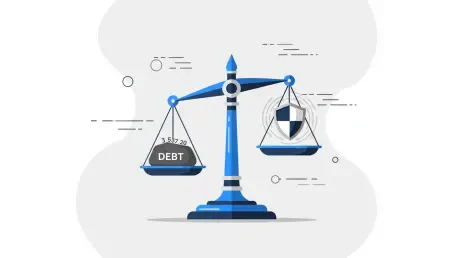

Navigating the complex landscape of consumer finance often reveals a daunting reality where high-interest loans and legal judgments collide to create a seemingly inescapable cycle of debt for the average borrower. Many individuals find themselves paralyzed by court-ordered repayments that appear set in stone, believing that a state court’s final ruling essentially locks the door to federal bankruptcy relief. However, the presence of a judgment does not automatically render a debt non-dischargeable, especially if the underlying transaction was rooted in predatory practices or procedural unfairness. While creditors frequently use these judgments as leverage, the bankruptcy court maintains specific powers to evaluate whether these obligations align with the principles of the “fresh start” policy. Understanding the interplay between state litigation and federal bankruptcy code is essential for those seeking to dismantle the weight of unfair financial burdens. This tension often serves as the focal point for legal battles that determine a debtor’s long-term viability.
The Intersection of Judicial Finality and Federal Discharge
The Doctrine of Res Judicata in Debt Litigation
When a state court issues a judgment in favor of a creditor, the legal principle of res judicata, or “claim preclusion,” typically prevents the parties from re-litigating the same issues in a different venue. This means that if a borrower failed to raise defenses such as usury or fraud during the initial lawsuit, they might assume that these arguments are forever lost once the gavel falls. For many, this marks the end of their resistance, as the judgment grants the lender powerful tools like wage garnishment and bank account levies. The psychological impact of a formal court order cannot be overstated, as it creates an aura of absolute finality that discourages further inquiry into the fairness of the initial loan. Creditors often rely on this sense of permanence to force settlements or payment plans that continue to drain the debtor’s limited resources. However, the rigidity of state law is not always the final word when the situation moves into the specialized realm of federal bankruptcy law, which prioritizes equitable outcomes over procedural traps.
The Power of Bankruptcy Courts to Review Judgments
Despite the perceived finality of state court rulings, the United States Supreme Court has established that bankruptcy courts possess the unique authority to “look behind” a judgment to determine the true nature of the underlying debt. This is particularly relevant when a creditor asserts that a debt is non-dischargeable due to fraud or willful injury, as outlined in Section 523 of the Bankruptcy Code. In these instances, the bankruptcy judge is not strictly bound by the state court’s findings if they do not align with the specific federal requirements for dischargeability. This legal flexibility ensures that a creditor cannot use a procedurally flawed or default judgment to bypass the equitable protections intended for honest but unfortunate debtors. Consequently, an unfair loan that was transformed into a judgment through a lack of proper defense can still be scrutinized. This provides a critical safety net for individuals who may have been overwhelmed by aggressive litigation tactics before they could secure adequate representation.
Challenging Predatory Lending Within the Bankruptcy Framework
Identifying Actionable Violations in Loan Agreements
Effective challenges to debt judgments often begin with a rigorous forensic audit of the original loan documents to identify violations of federal or state consumer protection statutes. Laws such as the Truth in Lending Act (TILA) and the Fair Debt Collection Practices Act (FDCPA) provide specific benchmarks that lenders must meet during the origination and collection phases. If a loan was structured with hidden fees, misleading interest rate disclosures, or terms that clearly violate state usury caps, these factors can be leveraged within a bankruptcy proceeding. Even after a judgment, evidence of such misconduct can influence the court’s decision regarding the allowance of a creditor’s claim. By demonstrating that the initial contract was unconscionable or predatory, a debtor may be able to significantly reduce the allowed amount of the claim or invalidate the lien entirely. This approach shifts the focus from the procedural outcome of the state court case back to the substantive fairness of the transaction, allowing for a more equitable process.
Utilizing Adversary Proceedings for Debt Dispute
The primary mechanism for disputing the validity of a debt judgment in a bankruptcy case is the initiation of an adversary proceeding, which functions as a specialized lawsuit within the main bankruptcy filing. During this process, the debtor has the opportunity to present evidence regarding the unfair nature of the loan and any potential misconduct by the lender. This formal litigation allows for discovery, where internal communications and records from the creditor can be subpoenaed to reveal systemic patterns of predatory behavior. If the court finds that the debt was obtained through deceptive practices or that the judgment was based on an unenforceable contract, it may rule the debt dischargeable or set aside the judgment’s priority. This process highlights the dynamic nature of bankruptcy law as a tool for consumer protection rather than just a simple accounting exercise. Navigating an adversary proceeding requires precise legal strategy, as the burden of proof often rests on the party challenging the established judgment.
Strategic Next Steps for Achieving Financial Recovery
The path toward financial recovery after a debt judgment required a comprehensive assessment of both the legal merits of the original loan and the procedural opportunities within the bankruptcy system. Borrowers found that successful outcomes were most common when they engaged with legal counsel to conduct detailed audits of their financial agreements. Identifying specific instances of predatory conduct served as the foundation for challenging non-dischargeability claims and seeking the avoidance of judicial liens. It was consistently observed that those who documented every interaction with their lenders and preserved all original loan disclosures were better positioned to win adversary proceedings. Moving forward, individuals facing these challenges should prioritize the collection of all court records and loan documents to facilitate a thorough review by a bankruptcy professional. By focusing on the substantive legality of the debt rather than the intimidating nature of the judgment, debtors paved the way for a genuine fresh start. This proactive and evidence-based approach remained the most effective strategy.