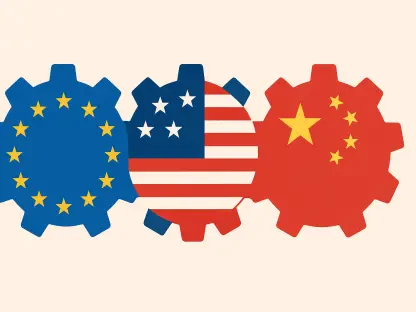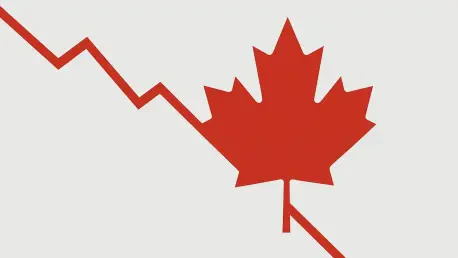

The ease of moving goods across borders has deteriorated significantly as new barriers to international trade impact domestic supply chains and export competitiveness. This institutional shift has contributed to Canada’s global standing in economic freedom undergoing a dramatic transformation, falling from 9th to 18th place among 165 jurisdictions according to the latest Economic Freedom of the World report. Documented by the Fraser Institute, this decline signifies a departure from Canada’s historical position as a top-tier market economy and highlights a concerning trend toward increased state interference. The report evaluates the ability of individuals to make independent financial decisions—such as starting businesses or engaging in trade—without excessive government mandates. For investors, this drop serves as a critical warning signal that the domestic investment climate is facing structural challenges that could impact long-term wealth creation and the stability of the national market for years to come.
The Burden of State Expansion and Regulation
Structural Weaknesses in the Public Sector
A primary driver of Canada’s descent is the persistent growth of government spending and taxation, which now ranks a dismal 101st globally in terms of the size of the state. This trend indicates that the government is consuming an increasingly large share of the national economy, often at the direct expense of private-sector dynamism. When public administration swallows resources that would otherwise flow into private enterprise, the result is almost always a less efficient allocation of capital and a stifling of the innovation necessary for growth. This structural shift is not merely a lingering effect of past global disruptions but a deliberate long-term policy direction that continues to hamper the agility of the Canadian business landscape. As the state footprint expands, the room for entrepreneurial venture shrinks, creating a feedback loop where the economy becomes more dependent on public funding while the tax base required to support such spending remains under constant pressure.
Regulatory Hurdles and Trade Barriers
Beyond the sheer size of government, the rising complexity of mandates and a more restrictive trade environment have further hampered economic liberty across the provinces. The 2026 report highlights a clear shift toward higher tariffs and regulatory barriers that began disrupting North American commerce over the last two years. For a nation that has historically thrived on international trade, these new obstacles increase costs for consumers and make Canadian exports significantly less competitive on the global stage. This growing “regulatory red tape” creates a difficult environment where new businesses struggle to enter the market and existing ones face mounting operational costs that eat into their profit margins. Furthermore, the lack of transparency in regulatory changes has introduced a level of uncertainty that discourages foreign direct investment, as multinational corporations seek more predictable jurisdictions that prioritize trade openness over protectionist measures.
Productivity Gaps and Investment Strategy
The Link Between Freedom and Prosperity
The erosion of economic freedom is directly mirrored in Canada’s worsening productivity crisis and falling living standards compared to its global peers. Between 2020 and 2024, Canada experienced a 2% drop in GDP per capita, marking its worst performance among all OECD nations and the steepest decline since the Great Depression. This decoupling from the growth trajectories of other developed nations illustrates the real-world consequences of specific policy choices regarding economic management. Currently, the wealth gap is widening significantly, with the average American now producing substantially more economic value per person than the average Canadian. This disparity suggests that without a fundamental shift in how the economy is regulated and taxed, the standard of living for the average citizen will continue to stagnate. The loss of productivity is not just a statistical concern; it represents a genuine decline in the purchasing power and future prosperity of the Canadian workforce.
Strategic Implications for Portfolio Management
When compared to the world’s freest economies—such as Hong Kong, Switzerland, and the United States—Canada’s current trajectory suggests an urgent need for caution among financial professionals. Data shows that nations in the top quartile of economic freedom enjoy significantly higher average incomes and longer life expectancies than those characterized by heavy state intervention. This disparity reinforces the idea that economic liberty is the primary engine for human flourishing and wealth creation in the modern era. As Canada falls further behind these leaders, the incentive for capital to flee toward more liberalized markets increases, highlighting a clear correlation between policy discipline and national wealth. For individual investors, the record-low ranking makes the case for international diversification more compelling than ever before. The traditional “home bias” is becoming harder to justify as domestic headwinds grow and the institutional framework that once supported rapid growth begins to fray.
The analysis of the 2026 report demonstrated that Canada’s economic standing was severely compromised by a combination of government expansion and restrictive trade policies. In the past, the nation maintained a reputation for fiscal stability, yet recent data indicated that this foundation was eroded by rising regulatory burdens. To address these systemic issues, policymakers must prioritize the restoration of private-sector dynamism through significant tax reforms and the removal of internal trade barriers. For investors, the most effective next step involved a strategic shift toward geographic diversification, focusing on jurisdictions like Singapore or the United States where economic freedom remains a priority. Navigating this new reality required a proactive approach to risk management and a move away from domestic-heavy portfolios. While the path to recovery remained possible through sustained policy discipline, the immediate priority for capital preservation was seeking growth in more flexible and open global markets.