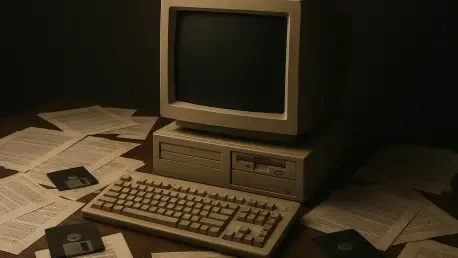

Modern Windows compatibility is not the primary barrier to rereleasing Dune 2000; instead, the challenge lies in identifying which entities inherited specific intellectual property assets. This technical hurdle remains relatively minor compared to the legal architecture that has effectively quarantined these titles away from modern digital storefronts. Even as enthusiasts in 2026 seek to experience the foundational mechanics of the real-time strategy genre, they find themselves blocked by a wall of unresolved paperwork rather than hardware limitations. The original 1990s classics from Cryo Interactive and Westwood Studios are more than mere nostalgic artifacts; they are the bedrock of modern tactical gaming. Because these games were created during a period of volatile corporate mergers, the rights to their distribution have been scattered among several disparate organizations. This legal status is not a matter of missing files, but a failure of clarity regarding who holds the authority to sign a modern contract, leaving the franchise in a state of commercial limbo.
The Disconnect Between Software Code and Global Branding
The core of the problem lies in the split between the physical assets of the software and the intellectual property they contain. Electronic Arts currently owns the actual software code, digitized speech, and graphics for the most famous strategy titles, having acquired Westwood Studios in 1998. While possessing the master files and original source code, the company does not necessarily hold the rights to the broader universe created by Frank Herbert. This creates a situation where the “container” is owned by one party, but the “contents” are owned by another. Without a valid license to use the name and world-building elements, the owner of the code cannot legally distribute the game. This separation of assets has proven to be an insurmountable wall for digital distributors who wish to bring these games to modern platforms, as the cost of re-acquiring the brand rights often outweighs the projected revenue from a niche retro release.
Moreover, the nature of these original licensing agreements was often temporary and limited to specific formats that are now obsolete. During the 1990s, contracts rarely accounted for digital distribution or long-term digital storefronts, as these concepts were not part of the commercial landscape. Consequently, when the original term of the license expired, the games became legally unsellable. For Electronic Arts to rerelease a title like the original strategy games, they would need to negotiate a new deal from scratch with the current stewards of the franchise. In a modern corporate environment, the legal fees alone for such a complex negotiation often discourage action. This economic friction ensures that while the code remains safely stored in corporate archives, the public cannot legally access it. The result is a stalemate where the holder of the technical assets remains paralyzed by the lack of a modern, comprehensive branding agreement.
Cinematic Legacy and the Complexity of Tripartite Rights
Another major complication stems from the fact that the classic games were not licensed directly from the literary estate, but through Universal Pictures. These titles were specifically based on the 1984 David Lynch film, meaning they utilize the visual aesthetic, set designs, and actor likenesses from that specific cinematic production. A digital rerelease would therefore require the consent of the film’s rights holders in addition to the software owners. If a game features the likeness of Kyle MacLachlan as Paul Atreides, the legal team must ensure that the original actor contracts from four decades ago included provisions for digital usage. Often, these vintage contracts are vague or missing entirely, making it risky for any modern company to proceed without expensive and time-consuming legal verification. This cinematic layer adds a third party to an already crowded negotiation table, further reducing the likelihood of a successful agreement.
The Frank Herbert estate also remains a pivotal player in any potential revival of the classic games. While the film license covers the visual style, the underlying names, terminology, and core narrative elements still reside with the family’s literary trust. Any attempt to sell a game bearing the franchise name requires their direct approval. The estate has historically been very protective of the property, often preferring to focus on high-budget modern projects rather than legacy software that might not align with current branding goals. Coordinating a unified agreement between a massive software publisher, a Hollywood studio, and a literary estate is a monumental task. Each party has different priorities and financial expectations, and if even one entity refuses to cooperate or demands an unreasonable share of the profits, the entire project collapses. This multi-layered permission structure is why these games remain missing from current gaming catalogs.
Corporate Dissolution and Strategic Preservation Paths
The trail of ownership is further obscured by the legacy of defunct production companies and the bankruptcy of original publishers. Documents governing the games date back to the 1970s and 80s, involving figures like the late producer Dino De Laurentiis and companies like Virgin Interactive. As these entities merged, folded, or changed hands, the specific clauses regarding distribution became nearly impossible to trace. Determining which modern entity inherited a specific right after decades of corporate dissolution remains a task that requires extensive historical research. For a digital platform, the “detective work” needed to clear these rights is a high-cost gamble with no guarantee of a return. Often, the search leads to a legal dead end where the paperwork simply no longer exists. This historical insolvency acts as a permanent barrier to legal distribution, effectively trapping the games in a state of permanent “abandonware” despite their cultural importance.
The effort to bring these foundational titles back to modern storefronts was ultimately defined by several critical legal and organizational hurdles. It was determined that the most actionable solution for preservation involved a comprehensive audit of archival contracts to establish a clear chain of custody for digital rights. Rightsholders discovered that creating a collaborative framework between Electronic Arts, Universal Pictures, and the Herbert estate was the only viable path to a unified rerelease. It was suggested that future game development agreements should include specific, automatic clauses for long-term preservation to avoid the legal purgatory currently seen with these 1990s classics. By prioritizing the historical value of the software, the industry moved toward a more sustainable model for managing legacy intellectual property. These steps provided a template for other fractured franchises, ensuring that historical milestones were not lost to corporate dissolution. Ultimately, the path toward accessibility was paved by a shared commitment to digital history.