
The high-stakes financial downfall of Roc-A-Fella Records co-founder Dame Dash has reached a pivotal moment as the legal battle over his luxury assets moves into the federal bankruptcy courts this month. Following a disclosure in late 2025 that revealed a staggering twenty-five million dollars in liabilities against less than five thousand dollars in reported personal assets, court-appointed trustee Traci K. Stevenson is now aggressively pursuing the liquidation of several blue-chip artworks. These pieces, which include iconic works by Andy Warhol and Mr. Brainwash, represent a significant portion of recovery for creditors who have been seeking restitution. The discrepancy between Dash’s public lifestyle and his official financial filings created a contentious atmosphere, leading to closer scrutiny of his private holdings. This legal maneuvering signifies a broader attempt by the court to pierce the veil of complex asset structures used by high-profile figures to shield their wealth. As the trustee moves to secure these items, the case serves as a stark reminder of the legal obligations surrounding financial transparency.
Assets Under Scrutiny: The Contested Masterpieces
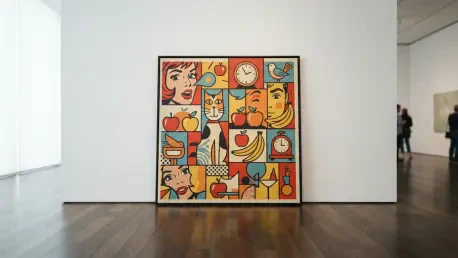
At the heart of the current dispute are four specific artworks that collectively hold an estimated value of approximately two hundred and twenty-five thousand dollars. These include Andy Warhol’s “Geronimo,” Mr. Brainwash’s “Obama Superman,” Peter Beard’s “Giraffes in Mirage,” and Donald Baechler’s “Beachball.” These high-value items were conspicuously absent from Dash’s initial bankruptcy filings, causing a significant stir when their existence was brought to light. The trustee’s motion to seize these assets was bolstered by a promotional video released in 2025 where Dash himself showcased the paintings within his residence, discussing their significance and market value. This digital footprint became a primary piece of evidence for the court, as it contradicted the meager asset totals previously reported under oath. The push to reclaim these items was about establishing the integrity of the bankruptcy process. If the court finds that these assets were omitted, the repercussions for Dash could extend beyond the loss of the paintings. This phase of the liquidation process highlights the difficulty of reconciling a public image with the reality of legal insolvency.
Legal Defense: The Family Office Argument
During a deposition in March 2026, Dash countered the trustee’s claims by asserting that he did not personally own the artworks. He argued that the collection belonged to a “family office” established for the benefit of his children, placing the assets outside the reach of creditors. However, the trustee challenged this defense by pointing to a complete lack of documentation, such as trust agreements or title transfers, that would validate such an entity. The court granted Dash a thirty-day window to provide evidence or request a hearing. For high-net-worth individuals, this case underscored the importance of maintaining rigorous records for asset protection. Without verifiable paperwork, the family office defense rarely survives judicial scrutiny. Moving forward, the court expected to approve the sale of these assets if Dash failed to produce the required documentation. Stakeholders observed this as a lesson in transparent estate planning, as the court prioritized creditor rights over undocumented claims. The resolution set a precedent for using digital media evidence to identify undisclosed assets in celebrity financial restructurings.