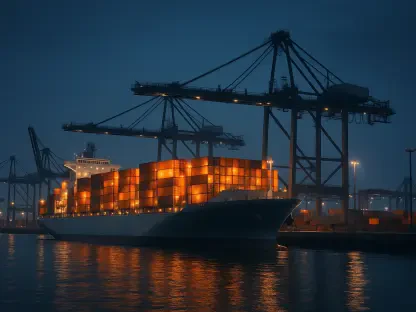

The global maritime network, once viewed as a purely logistical framework, has rapidly transformed into a high-stakes arena where national security priorities and commercial interests collide with unprecedented force. Currently, the international shipping industry serves as the primary engine for global connectivity, moving the vast majority of physical goods across a web of interconnected hubs. In the present environment, port diplomacy has evolved from simple administrative cooperation into a complex instrument of foreign policy, where the right to transit is no longer guaranteed by tradition alone but is increasingly subject to geopolitical vetting.
Within the U.S.-Spain maritime corridor, these dynamics are especially visible as supply chains become more tightly integrated across the Atlantic. The Mediterranean transshipment hubs have become critical nodes where regulatory oversight, particularly from the Federal Maritime Commission, meets the sovereign transit policies of European nations. Modern tracking technologies and digital manifests now provide regulators with the ability to monitor cargo flows with surgical precision, allowing for the immediate identification of policy shifts that might disrupt the intended flow of commerce or military logistics.
The Current Climate of Transatlantic Maritime Commerce and Port Diplomacy
Maritime trade currently faces a period of intense scrutiny as nations redefine the boundaries between commercial efficiency and national security requirements. The industry is currently navigating a landscape where the Mediterranean serves as a central theater for these overlapping interests, particularly concerning the transit of sensitive materials. Port access rights, once largely dictated by international conventions of safe passage, are now being reinterpreted through the lens of local ethical mandates and regional legal frameworks, creating a friction point between traditional maritime powers.
The integration of Western supply chains means that a disruption in a major Spanish port is felt immediately in American logistics centers, highlighting the fragile nature of transatlantic cooperation. Regulatory bodies are now using sophisticated data analysis to assess the impact of port restrictions, moving beyond static rules toward dynamic enforcement. This shift ensures that any deviation from established transit norms is met with rapid administrative responses, emphasizing the role of port diplomacy as a front-line tool in broader international disagreements.
Escalating Tensions: From Port Restrictions to Proposed Retaliation
Emerging Trends in Geopolitical Cargo Control and Supply Chain Weaponization
A prominent trend currently reshaping the sector is the strategic use of port access as a form of diplomatic leverage, often described as cargo-based denial of service. Rather than focusing on vessel seaworthiness or environmental safety, sovereign states are increasingly restricting transit based on the political or ethical nature of the goods being transported. This behavior signals a shift toward a more fragmented global trade system where ideological alignment determines the fluidity of supply chains, forcing shipping lines to adopt more agile and politically aware routing strategies.
Technological advancements in real-time logistics have empowered nations to respond to these restrictions by diverting entire fleets to alternative hubs with minimal delay. For example, the redirection of vessels toward competing facilities in North Africa, such as Tangier, illustrates how geopolitical friction creates immediate market opportunities for neighboring maritime nations. These emerging hubs are aggressively capturing diverted trade volumes, potentially leading to a long-term shift in the regional balance of power as traditional ports risk losing their status as reliable transshipment centers.
Quantifying the Impact: Economic Projections and Maritime Performance Indicators
If the current trajectory of the Federal Maritime Commission surcharges continues, the financial burden on Spanish-flagged vessels is expected to reach levels that could fundamentally compromise their market competitiveness. Analysts suggest that a $200,000 fee per port call would act as a prohibitive barrier, potentially reducing the frequency of Spanish vessel arrivals in U.S. ports by a significant margin. Projections for the period from 2026 to 2028 indicate that Spanish exports in key sectors like olive oil, ceramics, and cosmetics could see a sharp decline if these retaliatory measures are finalized and enforced.
Economic models also point toward a broader restructuring of Mediterranean shipping routes as carriers seek to avoid the high costs associated with sanctioned hubs. For U.S.-flagged vessels, the necessity of bypassing certain Spanish facilities has already led to increased operational costs and extended transit times, impacting the overall reliability of the transatlantic supply chain. These performance indicators suggest that the current dispute is not a temporary hiccup but a catalyst for a permanent realignment of how cargo moves between the European Union and North America.
Navigating the Obstacles: Challenges in Sovereign Rights and Operational Flow
The maritime industry is currently caught in a fundamental conflict between the sovereign right of a nation to manage its borders and the global mandate for uninterrupted trade. Spain maintains that its port policies are a direct reflection of its domestic legal obligations and ethical stance on conflict zones, while the U.S. views these actions as a discriminatory barrier to its commercial and defense logistics. This clash of jurisdictions creates a significant operational hurdle for shipping companies that must reconcile conflicting sets of rules when planning their voyages.
Resolving these obstacles requires more than just administrative adjustments; it demands a high-level diplomatic intervention to reconcile disparate legal interpretations. While some industry experts have proposed the implementation of neutral transit protocols, such a solution remains difficult to achieve as long as both sides remain committed to their current legal positions. The logistical complexity of rerouting military-related cargo on short notice further complicates the situation, leaving maritime operators in a state of perpetual uncertainty regarding their long-term port access and operational stability.
The Regulatory Framework: FMC Mandates and EU Legal Constraints
The current regulatory landscape is dominated by the tension between U.S. Chapter 421 and European Union maritime mandates. The Federal Maritime Commission is utilizing its authority to address what it classifies as unfavorable conditions created by foreign governments, focusing strictly on the economic impact on the American merchant marine. Conversely, Spanish authorities are operating under a legal framework that prioritizes compliance with regional defense export laws, which they argue should be immune from commercial trade penalties due to the principle of sovereign immunity.
This collision of standards has created a complex compliance environment where shipping companies must navigate varying security measures and vetting processes at every port of call. Legal risk assessments have become a primary focus for transatlantic voyages, as carriers attempt to insulate themselves from the potential fallout of these conflicting regulations. The resulting heightening of administrative burdens is forcing the industry toward a more cautious approach to cargo acceptance, where the perceived political risk of a shipment can outweigh its potential commercial value.
The Future Path: Market Disruptors and Evolving Trade Alliances
The direction of the maritime industry will likely be determined by whether port access remains a tool for national security objectives or returns to a more standardized commercial utility. Future growth is expected to concentrate within trusted corridor agreements, where nations with aligned foreign policies create preferential transit zones that bypass politically volatile hubs. Such alliances could marginalize ports that insist on independent cargo restrictions, potentially leading to a two-tier global shipping system defined by geopolitical reliability rather than geographic convenience.
Innovation in maritime law and the potential for a deeper trade rift between the United States and the European Union serve as major market disruptors in the current environment. Global economic conditions will dictate whether these specific sanctions against Spain remain an isolated incident or if they signal the start of a broader era of protectionist maritime policies. As the industry looks toward 2027 and beyond, the ability of shipping lines to remain neutral while navigating these evolving trade alliances will be the defining factor in their operational success and long-term viability.
Summary of Findings and the Outlook for Global Maritime Stability
The proposed U.S. sanctions against Spain represented a significant escalation in the intersection of maritime trade and foreign policy. Findings indicated that while Spain sought to uphold ethical and regional legal standards regarding the transit of defense materials, the U.S. responded by utilizing aggressive financial penalties to protect its merchant marine interests. For stakeholders and investors, the prospect of increased surcharges and trade barriers suggested an immediate need for diversified logistics strategies that accounted for geopolitical volatility.
The ultimate resolution of this dispute established a new precedent for how maritime regulatory bodies interacted with sovereign national policies, effectively redefining the norms of international shipping for the coming decade. Future considerations focused on the development of more robust diplomatic mechanisms to resolve transit disputes before they triggered broad commercial retaliation. By moving toward a model of bilateral “trusted transit” agreements, the industry attempted to mitigate the risks posed by national security-driven port restrictions, though the structural tension between sovereignty and trade fluidity remained a core challenge for global maritime stability.