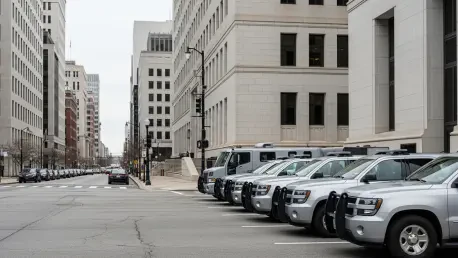

The granite steps of the Abraham Ribicoff U.S. Court House in Hartford have transformed into a theater of political friction as residents and state officials confront the widening reach of federal immigration enforcement. This atmosphere of tension reflects a broader societal pushback against what activists describe as a shrouded and non-transparent enforcement process that operates within the shadows of Connecticut’s urban centers. While many residents remain unaware of the frequency of these operations, the visible presence of federal agents in cities like New Haven and Bridgeport has sparked a significant movement dedicated to preserving local community integrity. This struggle represents a fundamental debate over the ethical boundaries of law enforcement and the right of a state to protect its own people from federal overreach. As the community gathers to voice its dissent, the narrative of “sanctuary” is being rewritten through tangible legislative action and persistent grassroots vigilance on the city streets.
Implementing Legislative Barriers: The Push for Accountability
Connecticut has moved to the forefront of state-led resistance by implementing some of the most stringent protections against federal immigration interventions seen in recent history. Under new legislation signed by Governor Ned Lamont, the state has officially designated “protected areas” in sensitive locations, including schools, medical facilities, and houses of worship. These zones are intended to serve as safe havens where civil immigration arrests are strictly prohibited, ensuring that essential public services remain accessible to all residents regardless of their status. Furthermore, the law directly addresses the issue of anonymous enforcement by mandating that all law enforcement officers participating in such operations remain clearly identifiable. This includes a strict prohibition on the use of masks or tactical gear that obscures an officer’s face or badge number, a move designed to eliminate the ambiguity of “phantom” arrests that have previously sowed panic throughout local neighborhoods.
Beyond the physical boundaries of protected zones, the state has introduced a groundbreaking legal shield that empowers residents to sue federal agents for constitutional violations. This provision emerged as a direct response to a fatal encounter involving a civilian and a federal agent, highlighting a perceived lack of accountability within federal ranks. By creating a state-level pathway for justice, Connecticut is challenging the traditional immunity often enjoyed by federal officers operating on local soil. To further bolster this protective framework, the legislation has significantly tightened hiring standards for local police departments. Any former federal officer with a documented history of professional misconduct is now legally barred from joining Connecticut’s municipal or state agencies. Additionally, all new hires are now required to undergo hundreds of hours of rigorous training focused on civil rights and de-escalation techniques, ensuring that local law enforcement remains a distinct entity from federal immigration forces.
Grassroots Resistance: Documenting Operations and Impact
While the legislative framework provides a legal foundation, grassroots organizations like Hands Off CT and the Hartford Deportation Defense are maintaining a constant presence on the ground. These groups have adapted their strategies following a volatile confrontation in early 2026 where federal agents deployed pepper spray against peaceful demonstrators. In response, activists have pivoted toward a more calculated approach involving “unmuddied” messaging and extensive community education programs. Rather than engaging in direct physical altercations, these organizations now focus on documenting every federal action through high-definition video and street theater to ensure the human cost of deportation remains visible. By prioritizing safety and strategic communication, these activists are successfully turning the tide of public opinion, framing federal immigration tactics as an intrusion into the peaceful daily lives of Connecticut families who simply wish to live without the constant fear of sudden separation.
The escalation of federal resources in the region has not gone unnoticed by those monitoring the situation from the sidewalks of Hartford. Demonstrators have meticulously documented a significant uptick in federal logistics, including the arrival of nearly a dozen new surveillance and operational vehicles stationed at federal buildings. This increase in hardware suggests a more permanent and aggressive federal footprint, yet much of the actual enforcement activity continues to take place away from the public eye. Activists like Bea Ferrer-Guarin argue that exposing this hidden process is a moral necessity that far outweighs any personal risk of physical harm or legal repercussion. By tracking vehicle movements and identifying plainclothes officers, community members are attempting to bridge the gap between the quiet reality of local arrests and the general public’s perception of safety. This effort to shed light on non-transparent processes serves as a vital check on federal power, ensuring that no action goes entirely unrecorded.
Judicial Precedents: Strengthening State Protections
The legal tension eventually forced a judicial reckoning as the federal administration filed a high-stakes lawsuit against the state of Connecticut. Federal officials argued that the safety requirements and the designation of protected zones constituted an unconstitutional interference with federal mandates. Specifically, the government claimed these laws put agents in physical danger by limiting tactical options and forcing identity disclosure. This challenge hinged on the principle of federal preemption, asserting that state laws could not override federal authority to enforce national policy. As the case moved through higher courts, Connecticut successfully defended its right to regulate law enforcement conduct within its borders to protect the welfare of its people. The resulting legal standoff highlighted the deep friction between state sovereignty and federal authority, serving as a pivotal test for constitutional boundaries in a modern, fragmented legal landscape that demanded clarity and respect for local autonomy.
To ensure long-term stability, state leaders prioritized the expansion of digital privacy protections as a necessary solution for the evolving enforcement landscape. Recognizing that physical safe zones were only partially effective if personal data remained vulnerable, Connecticut developed robust statutes to restrict information sharing between local databases and federal agencies. These actions shifted the focus toward a comprehensive sanctuary model that included both physical and digital security. For those seeking to replicate this success, the primary takeaway involved building encrypted communication networks and fostering partnerships between local technology experts and civil rights organizations. This proactive stance allowed the state to anticipate surveillance methods and implement counter-measures before they were used against residents. By treating immigration protection as a dynamic challenge, Connecticut established a durable framework for safeguarding the fundamental rights of its diverse and growing population into the future.