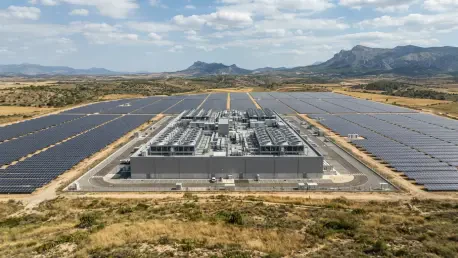

Spain’s strategy forces the data center industry to act as a smart load that adapts to the needs of the electricity system rather than remaining a constant drain. This fundamental shift arrives via a comprehensive Royal Decree approved by the Council of Ministers, establishing a rigorous framework for any facility with high electricity demands. By setting these strict parameters, the government aims to harmonize the explosive growth of the digital economy with national energy sustainability targets. The initiative seeks to transform Spain into a sustainable digital hub while actively mitigating the systemic risks associated with massive, unyielding energy consumption patterns. Instead of viewing data centers as passive consumers, the legislation treats them as integral components of the national grid. This proactive approach ensures that technological expansion does not undermine the transition to a greener future or threaten the stability of the local power infrastructure for other users.
Managing Grid Access and Renewable Integration
Securing grid access for large-scale data centers, specifically those requiring more than 10 megawatts, has undergone a radical transformation. In the past, obtaining a connection was largely a matter of demonstrating technical feasibility and local capacity. Under the current regulatory regime, however, access is strictly conditional upon environmental performance metrics that go far beyond simple carbon offsets. The government now mandates an hourly correlation requirement, forcing operators to prove that their consumption patterns align with renewable generation availability. This change effectively ends the era of greenwashing through annual certificates that do not account for daily fluctuations in wind and solar output. By prioritizing facilities that can sync their operations with the natural rhythm of renewable production, Spain is creating a more resilient and transparent energy ecosystem that discourages the continuous expansion of fossil-fuel reliance during peak hours.
The enforcement of an 80% hourly matching threshold ensures that data centers do not inadvertently drive up the demand for gas-fired peaker plants during periods of low renewable production. Without this granular matching requirement, a facility might claim to be green while relying on the most carbon-intensive energy sources at night or during calm weather. This mandate will remain in effect until the national electricity mix consistently exceeds 90% renewable generation, providing a clear roadmap for the industry’s long-term integration. Such a rigorous standard forces operators to invest in advanced energy storage solutions and sophisticated load-balancing technologies. It also creates a powerful incentive for the development of hybrid renewable projects that combine multiple generation types to ensure a steady supply of carbon-free energy. This ensures that the digital infrastructure supporting Spain’s economy is genuinely sustainable, rather than just superficially clean.
Implementing Additionality and Economic Protections
To prevent the digital sector from cannibalizing existing renewable resources, the decree introduces a strict additionality rule for all new high-capacity projects. Generally, the renewable energy used to meet the 80% threshold must originate from new generation sources commissioned no more than 36 months before the data center begins operations. This requirement ensures that every new data center actually contributes to the expansion of the national renewable fleet rather than just competing for current capacity. Exceptions are carefully carved out for specific biomass projects, photovoltaic upgrades, and repowering initiatives that add tangible value to the grid. Long-term power purchase agreements exceeding six years and on-site storage solutions are also encouraged as viable pathways for compliance. By tying data center development directly to new energy infrastructure, the government guarantees that digital growth serves as a catalyst for the overall decarbonization of the country.
The economic rationale behind these mandates is deeply rooted in protecting the broader public from the financial volatility of energy markets. Government projections indicated that unregulated data center growth could have inflated national electricity bills by as much as €5 billion if fossil-fuel demand remained the primary stabilizer. Industrial consumers were particularly vulnerable, facing potential price spikes of approximately 25% due to the increased reliance on expensive gas plants. By compelling data centers to bring their own renewable supply to the table, the government effectively creates a financial shield for residential and existing industrial users. This policy ensures that the high costs associated with grid stabilization and carbon emissions are borne by the entities driving the increased demand. This structural protection is vital for maintaining social equity during the energy transition, ensuring that the benefits of a digital economy are not offset by higher costs.
Strategic Flexibility: Resource Efficiency and Industry Transition
Recognizing that some data centers might struggle with rigid hourly matching, the regulation offers a strategic alternative centered on grid flexibility. For a transitional five-year period, facilities can participate in the Automatic Power Reduction System, which allows them to opt for a more adaptable compliance regime. These centers must agree to priority disconnection or significant power reduction during times of extreme grid stress or low supply. In exchange for this flexibility, they face a graduated scale of renewable requirements, starting with 60% consumption during peak hours by 2028. This arrangement transforms the industry into a smart load that can buffer the volatility of the national energy system. It allows the grid operator to treat data centers as a resource that can be scaled down when necessary, rather than a fixed burden. This creates a more dynamic energy market where the digital sector actively assists in maintaining the grid.
The transition to this new regulatory framework required the industry to pivot rapidly, with existing projects given six months to adapt and those in bidding processes only three. The government provided a safety net by allowing developers to waive their granted rights without losing financial deposits if they determined that the new standards were unattainable. This pragmatic approach helped clear the pipeline of unviable projects while focusing resources on developers committed to long-term sustainability. Looking forward, the success of this strategy depended on the continued expansion of renewable storage and the integration of advanced grid-management software. Industry leaders recognized that these measures provided a stable, predictable environment for investment by decoupling growth from energy volatility. Ultimately, the framework established a global benchmark for how a nation can integrate massive digital infrastructure without sacrificing its environmental integrity. It proved that economic growth and climate goals were not mutually exclusive.