
The massive iron and copper skeletons of the American power grid are currently trapped behind a thick wall of paperwork that effectively prevents the nation from entering its next industrial age. For decades, the ambition to modernize the domestic energy landscape remained a distant dream, deferred by a regulatory environment that prioritized procedural caution over physical construction. As of 2026, the United States has reached a critical juncture where the antiquated frameworks of the 20th century no longer accommodate the rapid technological shifts of the present day. The emergence of the Bipartisan American Affordability and Jobs Act (BAAJA) marks a significant turning point in this narrative, signaling a legislative desire to prioritize national energy security and economic agility. This trend analysis examines how the federal government is attempting to dismantle the barriers that have long stalled infrastructure development, paving the way for a more resilient and electrified future.
The current push for reform is driven by a stark reality: the nation is attempting to build a 21st-century economy on a 1970s-era regulatory foundation. Legislation such as the Bipartisan American Affordability and Jobs Act of 2026 reflects a rare moment of political alignment, bringing together a diverse coalition of lawmakers, including Senators Shelley Moore Capito, Mike Lee, Sheldon Whitehouse, and Martin Heinrich. These leaders recognize that the primary obstacle to a cleaner and more reliable grid is not a lack of technology or capital, but rather an administrative process that has become a multi-year gauntlet of red tape and litigation. By focusing on streamlining federal oversight, the new reforms aim to accelerate the deployment of vital infrastructure while navigating the complex waters of environmental and social protections.
The Evolution of Regulatory Streamlining
The Challenge: Data and Growth Trends in Permitting Delays
The scale of the current permitting crisis is best understood through the lens of institutional delay, which has ballooned to unsustainable levels over the last several years. On average, the mandatory federal environmental assessments required for major projects now take approximately 54 months to finalize, a timeline that often doubles when accounting for the development of vital interstate transmission lines. In the period starting in 2026 and looking toward the next decade, the demand for new connections is expected to skyrocket, yet the existing system remains bogged down by procedural redundancy. Projects that are essential for national energy security frequently face a decade-long wait before the first shovel hits the ground, creating a massive backlog that threatens to stifle the reshoring of manufacturing and the growth of the digital economy.
The energy sector provides the most glaring evidence of this stagnation, as the time required to connect new power plants to the grid has more than doubled since the early 2010s. This delay is particularly damaging because it creates a climate of financial uncertainty that discourages long-term private investment. When an infrastructure project is held in administrative limbo for five to ten years, the cost of materials and labor can fluctuate wildly, often rendering the original business case obsolete. Moreover, the sheer volume of projects currently in the “interconnection queue” suggests that without a fundamental shift in how the government processes these applications, many of the most promising energy innovations will never see the light of day.
Policy in Action: Real-World Applications of Reform Measures
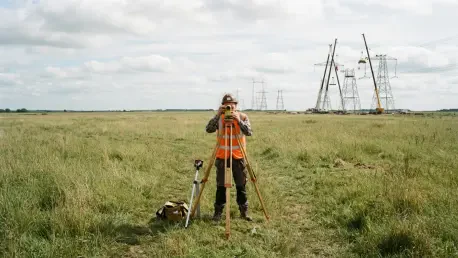
To address these systemic failures, the BAAJA proposes a series of aggressive “backstop” authorities that could fundamentally change the relationship between federal and state regulators. Under this new framework, the Federal Energy Regulatory Commission (FERC) is granted the power to override state-level bottlenecks for interstate transmission lines that are deemed to be in the national interest. In practice, this means that if a single state denies a permit or fails to act within a reasonable timeframe, the federal government can intervene to ensure that a project serving multiple regions can proceed. This shift represents a move away from the fragmented, state-by-state approach that has historically paralyzed the expansion of the American electrical grid.
Furthermore, the reform movement is introducing the widespread use of “categorical exemptions” for projects that have a minimal environmental footprint. By applying these exemptions to small-scale solar and wind installations, as well as the upgrading of existing transmission corridors, the government could potentially reduce approval timelines to under six months. This is a drastic departure from the current multi-year cycles that treat every minor upgrade with the same level of scrutiny as a massive new pipeline or dam. These measures are designed to provide developers with a “fast lane” for low-impact projects, allowing administrative resources to be concentrated on the most complex and sensitive proposals.
Insights From Industry Experts and Leaders
Policy experts from high-level organizations like the Rhodium Group and Columbia University’s Center on Global Energy Policy have argued that the current “permitting by litigation” model is the single greatest threat to American industrial competitiveness. In their view, the ability of small groups to stall national infrastructure through endless legal challenges has created a veto point that no other modern economy tolerates. Industry leaders point to the proposed reduction of the statute of limitations for legal challenges—from six years down to just 150 days—as the most significant factor in restoring investor confidence. By shortening this window, the government provides a clear “end date” for legal uncertainty, ensuring that once a project is approved, it can actually be built without the constant threat of a court-ordered shutdown years after construction has begun.
However, the trend toward centralization and speed is not without its vocal critics, particularly among those who advocate for tribal sovereignty and local community rights. Some leaders caution that in the rush to modernize the grid, the federal government may inadvertently steamroll the voices of marginalized communities and diminish the protection of sacred sites. The debate surrounding Section 106 of the National Historic Preservation Act illustrates this tension perfectly. While developers argue that historic reviews are often used as a bad-faith delay tactic, tribal nations maintain that these reviews are essential for protecting their cultural heritage. Balancing the need for industrial speed with the requirement for meaningful consultation remains one of the most difficult challenges for policymakers in this era of rapid transition.
The Future Landscape of Infrastructure Development
Looking ahead toward the middle of the 21st century, the shift toward streamlined permitting is expected to fundamentally transform both the American landscape and the broader economy. Projections indicate that if these reforms are successfully integrated into the federal bureaucracy, the United States could see a 30% increase in transmission capacity by 2041. This expansion is not merely a matter of industrial pride; it carries significant financial benefits for the average citizen. Some estimates suggest that a more efficient grid could save the average household between $50 and $78 annually in electricity costs by allowing the system to tap into cheaper, more diverse energy sources that are currently stranded by a lack of transmission access.
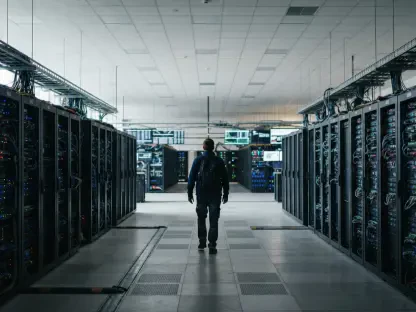
However, the future landscape also introduces new complexities for high-energy industries, most notably the burgeoning AI data center sector. Under the new regulatory framework, facilities requiring 20 megawatts or more are designated as “large loads,” a classification that requires them to pay for the incremental infrastructure they demand. This “ratepayer protection” measure ensures that residential consumers do not bear the financial burden of building massive new capacity for tech giants. For data center operators, this could result in total cost increases of up to $171 billion over the next decade. The long-term success of permitting reform will depend on whether the federal government can maintain this delicate balance between encouraging industrial growth and protecting the economic interests of the general public.
Summary From Key Findings and Outlook
The transition toward federal infrastructure permitting reform represented a pivotal shift from a culture of administrative caution to one of active construction. By addressing the core inefficiencies of the National Environmental Policy Act and the Clean Water Act, the government successfully established a framework that prioritized the rapid deployment of energy assets. The legislative trajectory suggested that the era of administrative paralysis was finally beginning to yield to a paradigm of rapid deployment, where the federal government played a more assertive role in managing the national grid. This movement not only aimed to meet the surging electricity demands of the digital age but also sought to restore the United States’ reputation as a nation capable of building at scale.
The reforms enacted through the Bipartisan American Affordability and Jobs Act of 2026 established a framework that significantly altered the national approach to industrial growth. Decision-makers recognized that the path forward required a sophisticated alignment of state and federal mandates, alongside a commitment to maintaining administrative discipline without triggering a backlash from local stakeholders. The legacy of these changes was the creation of a more agile regulatory environment that allowed for the modernization of the electrical grid within a timeframe that matched the speed of technological innovation. Ultimately, the shift toward a streamlined permitting process proved to be the essential catalyst for securing the energy future of the nation, ensuring that the physical infrastructure of the country could finally keep pace with its economic ambitions.