
SpaceX’s subsidiary MZX Tech is at the center of a judicial determination that the physical infrastructure of artificial intelligence must adhere to the Clean Air Act. This legal development, unfolding in the United States District Court for the Northern District of Mississippi, centers on the ambitious Colossus 2 data center in Southaven. As the facility aims to provide the computational foundation for advanced large language models, its reliance on a massive array of 27 gas turbines has drawn intense scrutiny. The court’s decision to deny a motion to dismiss the case signifies that the aggressive timelines of the global artificial intelligence arms race will not exempt technology giants from established environmental regulatory frameworks. By transitioning this dispute from a procedural hurdle into an active litigation phase, the judiciary has signaled that the physical manifestation of digital innovation must remain accountable to the communities in which it operates. This case underscores a growing tension between the necessity for rapid infrastructure deployment and the legal requirements designed to mitigate industrial pollution, particularly as software firms increasingly adopt the characteristics of heavy energy producers.
The Southaven Facility: A Clash of Technology and Regulation
The dispute originates from intensive operations that occurred during the latter half of the previous year, as SpaceX sought to activate its high-density computing clusters. The National Association for the Advancement of Colored People, bolstered by the Southern Environmental Law Center and Earthjustice, has alleged that the company bypasses critical air permits by operating a massive gas turbine power plant on-site. These turbines were specifically intended to bypass traditional grid connections, which often suffer from long wait times and capacity limitations. The plaintiffs contend that by circumventing the standard permitting process, SpaceX avoided the stringent monitoring requirements and emissions limits that are legally required to safeguard the surrounding population. This lack of transparency has sparked significant concern among local advocates who believe that the community was deprived of its fundamental right to provide public comment or review the potential environmental hazards of such a large-scale power generation installation.
The location of the Colossus 2 facility in the Greater Memphis area adds a layer of social and environmental urgency to the litigation. Southaven is a region already characterized by its proximity to various industrial nodes, and the introduction of unpermitted power generation has intensified fears regarding cumulative pollution effects. The NAACP argues that the decision to prioritize the rapid deployment of artificial intelligence hardware over regulatory compliance has placed an undue burden on a community that is already vulnerable to environmental stressors. This situation highlights a broader trend where the physical hardware required for generative AI is outstripping the local infrastructure’s ability to provide clean, sustainable power. Consequently, the legal challenge is not merely about procedural paperwork but about the substantive health and safety of residents who live near the engines of the modern digital economy. The court’s refusal to dismiss the case ensures that these arguments regarding community impact and regulatory evasion will be heard in a formal trial setting.
Strategic Legal Maneuvers: The Standing and Mobile Source Debate
In its attempt to halt the lawsuit before reaching the discovery phase, SpaceX utilized a multifaceted defense strategy that first targeted the legal right of the NAACP to bring the case. The company’s legal representatives argued that the organization lacked the statutory standing required under the Clean Air Act, claiming that the alleged harms were too speculative to justify a federal lawsuit. However, the presiding judge rejected this assertion, ruling that the NAACP’s claims of direct harm to its members were legally sufficient to move forward. This ruling is a significant victory for community advocacy groups, as it reaffirms the vital role that private organizations play in enforcing federal environmental standards when state or federal agencies are perceived as failing to act. By validating the standing of the plaintiffs, the court has maintained a pathway for citizens to challenge corporate activities that potentially threaten public health.
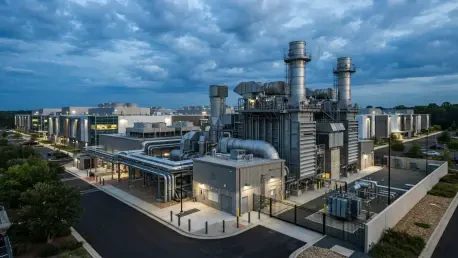
Another critical component of the defense was an attempt to classify the 27 gas turbines as mobile sources rather than stationary power plants. SpaceX argued that because the units were modular and theoretically portable, they should be subject to less rigorous environmental standards than permanent industrial facilities. The court, however, looked to the Mississippi State Implementation Plan and determined that the actual use of the equipment mattered more than its theoretical portability. Since the turbines were integrated into the fixed infrastructure of the Colossus 2 data center to provide a continuous power supply, they were deemed stationary sources for the purpose of the Clean Air Act. This part of the ruling sets a precedent for the data center industry, making it clear that simply mounting a power generator on a trailer does not exempt a firm from the permitting requirements that apply to traditional utilities. This decision effectively closes a perceived loophole that some technology companies might have used to accelerate the installation of high-capacity power solutions.
Constitutional Friction: Testing the Limits of Private Enforcement
The legal battle took a high-stakes turn when SpaceX challenged the constitutionality of the citizen suit provision within the Clean Air Act. The company’s lawyers argued that allowing private groups like the NAACP to enforce federal laws violated Article II of the Constitution and the private nondelegation doctrine. Their argument rested on the premise that private entities should not be permitted to exercise the executive power of the federal government by initiating enforcement actions. This bold strategy was an attempt to dismantle a primary tool of American environmental law, which has relied on citizen-led litigation for decades to ensure corporate compliance. Had SpaceX succeeded, the ruling would have had national implications, potentially stripping community groups of their ability to sue industrial polluters across a wide range of federal statutes.
The court ultimately dismissed the constitutional challenge, aligning itself with long-standing judicial precedent that supports the validity of citizen suits. The judge explained that the NAACP and other similar organizations are not acting as the government itself but are seeking to protect their own interests by ensuring that federal mandates are followed. The ruling emphasized that the Clean Air Act was specifically designed to allow for this type of oversight, providing a safety net for environmental protection when government resources are stretched thin. This decision preserves the democratic aspect of environmental enforcement, ensuring that private citizens remain empowered to hold large corporations accountable in federal court. For SpaceX, the failure of this constitutional argument means that the company must now prepare for a detailed investigation into its internal decision-making processes regarding the Southaven facility.
Atmospheric Impacts: Analyzing the Chemical Footprint
While the legal proceedings focus on permits and constitutional law, the underlying tension is driven by the specific pollutants that large-scale natural gas combustion releases into the air. Data provided by environmental experts indicates that if the 27 turbines at the Southaven site were to operate at their peak capacity, they could release over 5,000 tons of nitrogen oxides annually. Nitrogen oxides are a primary precursor to the formation of ground-level ozone and smog, which are directly linked to respiratory ailments such as asthma and chronic bronchitis. In a community already dealing with industrial emissions, the addition of such a massive, unregulated source of nitrogen oxides represents a significant public health risk. The lack of a formal permit means that there are no established limits on these emissions, nor is there a requirement for the company to install the latest pollution control technologies that would be mandated for a permanent power plant.
The environmental concerns extend beyond smog to include more dangerous toxic substances such as formaldehyde and particulate matter. Projections suggest that the facility could emit nearly 50 tons of formaldehyde, a known human carcinogen, and 400 tons of particulate matter per year. These microscopic particles are particularly hazardous because they can penetrate deep into the lungs and enter the bloodstream, causing a range of cardiovascular and respiratory issues. Because SpaceX did not go through the traditional permitting process, the surrounding community was never given a detailed analysis of how these specific pollutants would disperse or what the long-term health consequences might be. The lawsuit aims to force the company to provide this transparency and to implement the mitigation strategies that are standard for large-scale energy production. This phase of the litigation will rely heavily on atmospheric modeling to determine the actual risk posed to the residents of Southaven and the Greater Memphis area.
The Energy Paradox: Bridging the Gap Between Software and Steel
The situation in Mississippi is a symptom of a broader crisis facing the technology sector, often referred to as the AI power squeeze. As firms race to deploy the latest generation of graphics processing units to train and run massive AI models, they are discovering that the traditional electrical grid cannot keep up with their demands. A standard utility-scale connection for a facility as large as Colossus 2 can take several years to finalize, yet the competitive nature of the AI market requires these centers to be operational in a matter of months. This discrepancy has transformed software-focused companies into industrial energy producers, often forcing them to build their own on-site power plants. The Mississippi case serves as a warning that this transition into heavy industry brings with it a suite of regulatory responsibilities that cannot be ignored in the name of technological speed.
This industrialization of the tech sector represents a fundamental shift in how artificial intelligence infrastructure is managed and viewed by the public. Historically, data centers were seen as clean, quiet buildings that had minimal impact on their immediate surroundings beyond water usage for cooling. However, the current demand for compute power has turned these sites into massive energy consumers that rival traditional industrial complexes in their environmental footprint. The use of modular gas turbines is a common strategy for achieving fast power, but as the court in Mississippi has shown, these solutions must still fit within the existing legal framework for stationary sources. Companies must now navigate the complex world of air quality permits, environmental impact statements, and community health assessments. This evolving reality means that the ability to secure reliable, legally compliant energy is now just as important to an AI firm as the efficiency of its algorithms or the quality of its datasets.
Financial Exposure: Market Response and Valuation Risks
The market reaction to the court’s ruling has reflected the growing realization that legal and regulatory hurdles are tangible risks for SpaceX and its AI initiatives. Following the news that the motion to dismiss was denied, the company’s stock, which trades under the ticker SPCX, experienced a notable decline as investors reacted to the possibility of a preliminary injunction. Such an injunction could force the company to halt the operation of its gas turbines, effectively darkening a significant portion of the Colossus 2 data center. For a company that has tied much of its future growth to its leadership in artificial intelligence, any delay in expanding its computing capacity is viewed as a threat to its long-term valuation. The financial community is now closely monitoring the case as a bellwether for how other technology firms might be impacted by similar environmental challenges across the country.
The economic risks associated with this lawsuit extend beyond immediate stock price fluctuations to include the potential for massive capital expenditures related to compliance. If the court eventually mandates that SpaceX must install advanced scrubbing technology or transition to cleaner energy sources, the cost of operating the Southaven facility could rise significantly. Furthermore, the discovery process may reveal internal communications that could lead to additional fines or damage the company’s reputation as a leader in sustainable innovation. For analysts who track the intersection of technology and energy, this case is a reminder that the rapid scale-up of AI involves significant physical and regulatory friction. The financial impact of “moving fast and breaking things” is now being quantified in the form of legal fees, potential settlement costs, and the operational risk of having critical infrastructure idled by a federal judge.
Strategic Outlook: Navigating the Intersection of Policy and Performance
As the litigation moved into the discovery phase, the broader technology industry recognized that a new standard for environmental transparency was established. The decision by the court to allow the NAACP’s lawsuit to proceed served as a catalyst for other data center operators to review their own modular power strategies. Companies across the sector began to audit their compliance with the Clean Air Act, realizing that the “mobile source” defense was no longer a reliable shield against stationary source regulations. This shift in perspective prompted a more collaborative approach between technology firms and local utility providers, as the industry sought to avoid the high costs and reputational damage associated with protracted legal battles over air quality. The transition toward integrated energy planning became a priority for any firm looking to deploy large-scale computing clusters without facing immediate judicial intervention.
Strategic planning in the wake of this ruling shifted toward the adoption of permanent, cleaner energy infrastructure that was designed with regulatory approval in mind from the very beginning. Many organizations moved away from temporary gas solutions in favor of long-term investments in renewable microgrids and small modular reactors. These developments were seen as essential steps to ensure that the growth of artificial intelligence remained compatible with global environmental goals and local health standards. The legal precedent set in Mississippi ensured that the physical cost of digital progress was no longer hidden from the communities hosting the hardware. By requiring SpaceX to defend its actions in a public forum, the judiciary reaffirmed that the rule of law applies equally to the newest frontiers of innovation. This outcome provided a clear roadmap for the future, where the success of a technology company was measured not just by its computing power, but by its commitment to the environmental and social stability of the regions it inhabited.