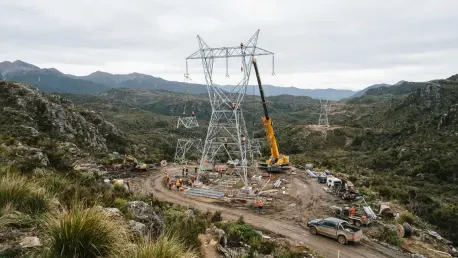

The Senate’s recent approval of the Bipartisan American Affordability and Jobs Act signals a fundamental shift in how the United States will manage its energy future through the next decade. By securing a 62-33 majority, legislators moved to reform the federal permitting process, targeting the bureaucratic delays that have historically hindered large-scale infrastructure developments across various states. This bill seeks to streamline the National Environmental Policy Act, aiming to accelerate the construction of both renewable energy installations and traditional fossil fuel projects to meet rising power demands. Supporters argue that modernizing the grid is essential for lowering consumer costs and maintaining the nation’s competitive edge in a global market that rewards speed and reliability. As the bill heads to the House of Representatives, the focus remains on whether these regulatory changes can provide the necessary momentum to revitalize an aging national power architecture and ensure sustainable economic growth for citizens in every region.
Streamlining Regulatory Procedures for Grid Modernization
The core of the new legislation focuses on the drastic reduction of timelines for environmental reviews, which have often spanned several years or even a decade for complex projects. Under the BAAJA framework, federal agencies are now required to complete impact statements within a strictly enforced two-year window, ensuring that developers can move from planning to construction with greater predictability. By narrowing the range of considerations that regulators must evaluate, the bill eliminates redundant layers of oversight that previously led to project stagnation. This change is particularly beneficial for interstate transmission lines, which are critical for transporting clean energy from remote generation sites to high-demand urban centers. By providing a clear, expedited pathway, the government aims to de-risk investments in the power sector, encouraging firms to commit capital to long-term infrastructure improvements that were previously deemed too risky due to regulatory uncertainty and the high potential for litigation.
Beyond simple speed, the act designates a lead agency for each major infrastructure project, tasking it with coordinating all necessary reviews and ensuring that different federal departments do not issue conflicting mandates. This streamlined approach is expected to reduce administrative costs for the government while providing a single point of contact for project developers and concerned stakeholders. Moreover, the bill includes provisions that limit the timeframe for legal challenges, preventing projects from being indefinitely stalled by litigation. While this move is controversial, proponents argue that it is a necessary compromise to ensure the nation can build the infrastructure required to support emerging technologies like artificial intelligence and domestic manufacturing. Without these reforms, the power grid would likely remain trapped in a cycle of high operational costs and inefficiency. The legislation also addresses the need for data centers to contribute to grid maintenance, ensuring that the burden of modernization is shared by heavy users.
The successful execution of these new energy policies required a delicate balance between rapid industrial growth and the preservation of environmental integrity. Federal agencies found that adopting advanced digital mapping and standardized mitigation protocols was essential to satisfy the bill’s rigorous new timelines without compromising scientific accuracy. As the transition progressed, the emphasis shifted toward ensuring that tribal consultations remained substantive, even within the expedited framework, to prevent long-term legal setbacks. Decision-makers prioritized the training of a specialized workforce capable of managing the complexities of a modernized, high-tech grid. Ultimately, the BAAJA framework provided a blueprint for how the nation could navigate the competing demands of economic expansion and ecological stewardship. By focusing on long-term resilience and transparency, the government established a foundation for a more reliable and efficient power sector that adapted to the evolving needs of the modern industrial landscape.