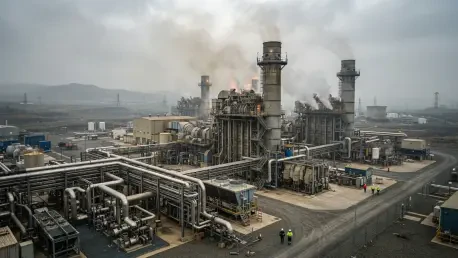

Legal representatives for the plaintiffs argue that the massive scale of the gas turbine operation necessitates strict adherence to federal smog standards. The U.S. District Court for the Northern District of Mississippi recently upheld this perspective by denying a motion to dismiss filed by xAI, the artificial intelligence firm founded by Elon Musk. This decision marked a pivotal moment in the litigation. By allowing the lawsuit to proceed, the court validated the claims brought forth by the NAACP. They alleged that the facility’s reliance on dozens of methane gas turbines violated the Clean Air Act. The ruling followed a similar stance taken by federal authorities, suggesting a unified judicial concern over rapid technological expansion. As the case moved toward the evidentiary phase, it highlighted the tension between high-speed AI development and the established legal frameworks designed to protect regional air quality and health.
Constitutional Defense: The Rejection of Citizen Suit Challenges
During the proceedings, xAI attempted to challenge the very foundation of the litigation by questioning the constitutionality of citizen-led lawsuits under federal law. The company’s legal team contended that private organizations should not possess the executive power required to enforce the Clean Air Act, suggesting that such authority resided solely with government agencies. However, the presiding judge rejected this interpretation, clarifying that these suits are essential tools for communities to seek redress for direct environmental harms. Furthermore, xAI sought to bypass strict permitting requirements by classifying its industrial gas turbines as temporary or mobile sources of emissions. The court dismissed this tactical maneuver, ruling that stationary methane turbines do not qualify for the exemptions typically reserved for truly mobile equipment. This clarification underscored the principle that even temporary infrastructure must comply with national air quality standards when the scale of emissions poses a threat to public health.
The scale of the alleged pollution at the Southaven site presented a stark picture of the environmental challenges associated with modern data centers. Documents filed in the case suggested that the unpermitted power operation could release up to 5,000 tons of nitrogen oxides and 400 tons of fine particulate matter annually. Moreover, the facility was estimated to emit roughly 47 tons of formaldehyde, a substance recognized globally as a potent human carcinogen. These pollutants are notorious for their roles in exacerbating chronic respiratory conditions, heart disease, and childhood asthma, particularly in densely populated regions like North Mississippi and South Memphis. The court’s decision to let the case proceed signaled a refusal to overlook these potential health impacts in favor of industrial expediency. As a result, the litigation has become a focal point for researchers. Scientists are increasingly concerned about how the massive energy demands of artificial intelligence might undermine decades of progress in public health policy.
Corporate Responsibility: Perspectives on Environmental Justice
Advocacy groups including the Southern Environmental Law Center and Earthjustice framed the judicial ruling as a landmark victory for environmental justice. These organizations argued that the rapid growth of the tech sector should not grant a free pass to ignore established regulations that protect vulnerable communities. By representing the NAACP, these legal teams emphasized that the Clean Air Act was specifically designed to prevent corporations from exploiting regulatory loopholes during periods of aggressive expansion. The court’s refusal to dismiss the case reinforced the idea that high-tech pioneers are subject to the same scrutiny as traditional industrial manufacturers. This alignment of legal interests demonstrated a robust defense of community rights, ensuring that local residents have a voice when massive infrastructure projects threaten their quality of life. The ongoing conflict served as a reminder that the pursuit of digital innovation must remain compatible with the fundamental right to breathe clean air, regardless of the prestige of the project.
The resolution of this motion directed the legal focus toward a pending preliminary injunction that sought to halt the facility’s operations until full regulatory compliance was achieved. Stakeholders in the technology and energy sectors monitored the developments closely. They recognized that the outcome established a significant precedent for future data center projects across the United States. It was clear that the judicial system prioritized the integrity of the Clean Air Act over the convenience of rapid industrial deployment. Moving forward, developers were encouraged to integrate comprehensive environmental impact assessments into the earliest stages of facility planning. The case effectively demonstrated that legal safeguards remained a powerful check on corporate power in 2026. For local communities, the ruling provided a blueprint for using citizen suits to demand transparency and accountability from the global tech industry. Ultimately, the court’s action ensured that the expansion of AI infrastructure remained tethered to public health.