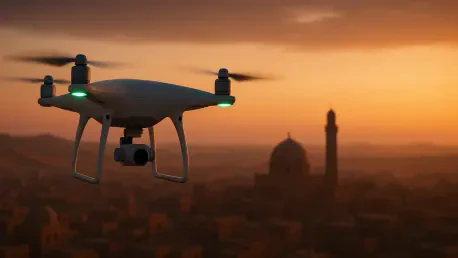

Every drone or light sport aircraft must obtain an airworthiness certificate and a specific operating license before it can legally take flight within the nation’s borders. This core mandate forms the foundation of Decree-Law No. 89 of 2026, a comprehensive legislative framework designed to modernize Kuwait’s management of its sovereign airspace. Recently published in the official gazette, Kuwait Al Youm, the law represents a significant step toward harmonizing the rapid growth of unmanned aerial vehicle technology with the non-negotiable requirements of national security and public safety. By centralizing oversight under the civil aviation authority, the government has addressed long-standing legal ambiguities that previously surrounded the recreational and commercial use of drones. This proactive approach ensures that the sky remains a safe environment for both innovation and traditional aviation, setting a standard that reflects the sophisticated technological landscape of 2026 for the country.
Licensing and Operational Standards
The legislation introduces a rigorous, multi-tiered registration system that dictates the ownership and technical readiness of any aerial equipment. Under these new rules, owners must formalize their status with the civil aviation authority, ensuring that every device is cataloged within a national database before it ever leaves the ground. An airworthiness certificate is no longer a suggestion but a legal prerequisite, necessitating that the equipment meets specific technical standards for flight safety. Transparency is a recurring theme throughout the decree, as owners are legally bound to report any modifications to the registered data of an aircraft within a strict seven-day window. This requirement ensures that the authorities maintain an accurate and real-time understanding of the capabilities and ownership of every drone operating in the region. By establishing these documentation standards, the state effectively creates a traceable lineage for every aircraft, which is essential for managing the complexities of modern airspace in an urban environment.
Mandatory Registration and Pilot Certification
Beyond the mechanical integrity of the aircraft, the law places an unprecedented emphasis on the human element of aviation through pilot certification. Operating a drone or light aircraft without a valid operating license is now a criminal offense, reflecting the potential risks these devices pose to public infrastructure. Pilots and support staff are required to undergo formal certification processes that align with established safety rules, ensuring they possess the technical proficiency to manage their craft under various conditions. Furthermore, the human-centric focus extends to the health and conduct of the operators themselves. The law mandates that pilots must be fit for duty and completely free from the influence of alcohol, drugs, or psychotropic substances during any flight operation. This holistic approach to safety is reinforced by the requirement for prior approval from the Ministry of Interior for every flight. Such dual-layered oversight ensures that the pilot’s intentions and the flight’s path are vetted for security before the motors are even engaged.
Commercial and Industrial Oversight
The regulatory reach of the law extends far beyond the pilot in the field, encompassing the entire industrial supply chain of aerial technology. Any business entity involved in the manufacturing, assembly, import, or modification of drones or their specialized components must now secure permits from both the civil aviation authority and the Ministry of Interior. These measures are designed to vet every participant entering the market, effectively preventing the unauthorized distribution of sophisticated equipment that could be misused. By controlling the point of entry for these technologies, Kuwait ensures that only legitimate, security-cleared organizations can influence the domestic drone market. This industrial oversight is critical for maintaining the technical integrity of the aircraft available to the public and professional sectors. It also encourages a professional environment where manufacturers are held accountable for the safety and specifications of their products, fostering a more mature and reliable local industry for light aviation.
Airspace Security and Safety Protocols
Commercial activities such as the sale, leasing, and export of drones are now subject to stringent security clearances and specialized commercial licenses. The state has recognized that the uncontrolled transfer of high-tech aerial tools represents a potential vulnerability, and thus, every transaction must be documented and authorized. This oversight helps maintain a controlled market that prioritizes national interests over unregulated commercial expansion, ensuring that advanced surveillance or transport drones do not fall into the unauthorized hands. Additionally, businesses must maintain detailed records of their inventories and sales, which are subject to inspection by judicial enforcement officers. This creates a transparent ecosystem where the government can monitor the density and distribution of drone technology across various sectors. By integrating security vetting into the commercial licensing process, the law balances the economic potential of the drone industry with the paramount need for internal stability.
Enforcement Powers and State Security
To safeguard critical national infrastructure and sensitive public sites, the law defines clear “no-go” zones where all flight activity is strictly prohibited. These restricted areas include airports, military installations, and designated government facilities, where any unauthorized presence is viewed as a security threat. Furthermore, general operations are primarily restricted to daylight hours, with a blanket ban on flights between sunset and sunrise unless a specific, justified exemption is granted by the authorities. This measure simplifies the task of monitoring the skies and reduces the risk of collisions in low-visibility conditions. Pilots are also burdened with the “Visual Line of Sight” requirement, which mandates that they maintain direct contact with their aircraft at all times. This rule is designed to prevent accidents involving pedestrians, private property, or other low-flying manned aircraft. By enforcing these operational boundaries, the legislation significantly lowers the probability of mid-air incidents while providing a clear operational map.
Legal Consequences and Implementation
The legislation grants robust and unprecedented powers to military and security authorities to protect national interests from aerial threats. Security personnel are now authorized to detect, intercept, or disable any aircraft that violates restricted airspace or poses a perceived threat to public safety. In extreme circumstances, the law permits the use of force to neutralize non-compliant drones that endanger sensitive installations. Notably, the law provides a “sovereign immunity” clause for these personnel, protecting them from legal or civil liability for any damage caused to the aircraft while they are performing these essential security duties. This legal shield allows security teams to act decisively without the fear of personal litigation, ensuring that the defense of national airspace remains paramount. The civil aviation authority also maintains technical intervention capabilities, such as electronic jamming, to disrupt the control signals of unauthorized devices. These defensive layers represent a hardening of the nation’s perimeter.
Strategic Integration of Aviation Policy
A strict, three-tiered penalty structure has been established to deter non-compliance and ensure that the new regulations are taken seriously by all stakeholders. Minor violations, such as delays in registration reporting or conducting unauthorized flights during night hours, can lead to up to six months of imprisonment and significant financial fines. These penalties serve as a reminder that administrative diligence is just as important as flight safety. For more serious breaches, including operating an aircraft without a valid pilot license or violating privacy rules regarding aerial photography, the consequences are even more severe. Such offenses can carry a penalty of up to two years in prison and substantial fines. The law specifically addresses the misuse of cameras, prohibiting the recording of private individuals or private property without meeting rigorous regulatory conditions. By tying these actions to criminal records, the state sends a clear message that the right to operate a drone does not override the fundamental right to privacy.
Grave Violations and Transition Provisions
The most severe punishments are reserved for grave violations that directly threaten state security or public order. Flying over military sites, sensitive industrial zones, or engaging in the unlicensed manufacturing of drones can result in up to three years of imprisonment and maximum fines. The judiciary also holds the power to double these penalties for repeat offenders or in cases where a violation leads to an accident or property damage. To facilitate a smooth transition for the public and existing operators, the government has provided a one-year grace period to comply with the new rules. This period allows owners to register their devices and obtain the necessary certificates without the threat of immediate prosecution. Meanwhile, detailed executive regulations are being finalized to outline specific fees and procedural steps for all applications. This transition phase is vital for ensuring that the legal shift is constructive rather than disruptive, allowing the community to adapt to a more regulated environment while the state finishes its rollout.
Future Perspectives on Airspace Management
The implementation of Decree-Law No. 89 established a definitive roadmap for the future of Kuwaiti aviation. By addressing the complexities of drone technology, the government successfully replaced outdated guidelines with a structured and enforceable legal vision. These measures provided the necessary clarity for commercial enterprises to invest in aerial logistics, while simultaneously reinforcing the safety of the general public. Authorities recognized that the sky required the same level of governance as the ground, leading to a system that prioritized national security without stifling technological progress. Stakeholders who adapted early to these standards gained a competitive edge in the emerging market, as compliance became a hallmark of professional operation. Ultimately, this legislative move secured the nation’s airspace and prepared the infrastructure for the next generation of autonomous flight systems. The transition period allowed for a seamless integration of these rules, ensuring that Kuwait remained a leader in regional aviation safety.