
The physical convergence of heavy rail and local commuter traffic represents one of the most complex safety challenges for modern urban planning, demanding constant vigilance and sophisticated regulatory frameworks to ensure public security. As Massachusetts prepares for a substantial increase in rail activity driven by the upcoming South Coast Rail service and the planning of the West-East Rail corridor, the Department of Public Utilities (DPU) is shifting its focus toward a proactive, risk-based oversight model. This strategic pivot is designed to identify and mitigate hazards before they result in serious incidents, moving away from a historically reactive posture that often followed unfortunate accidents. By establishing a more uniform and robust regulatory framework, the DPU intends to protect a diverse range of stakeholders, including motorists, pedestrians, and rail passengers who traverse these high-risk areas daily. This initiative seeks to modernize standards that have governed the Commonwealth for decades, reflecting the modern realities of high-speed transit.
Modernizing Infrastructure for a Growing Rail Network
Establishing a Proactive Risk-Based Oversight Model
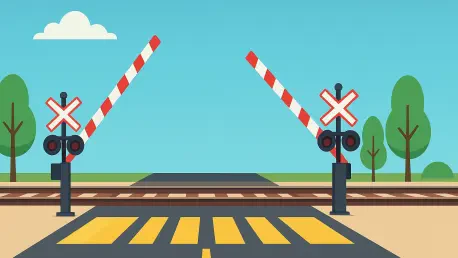
A fundamental shift in the state’s safety philosophy involves the formalization of specialized diagnostic teams led by DPU rail engineers, who are tasked with conducting rigorous evaluations of every crossing. These teams are responsible for evaluating the physical conditions of intersections where tracks meet roadways, ensuring that every angle of visibility and every mechanical component meets the highest safety criteria. Instead of waiting for a reported malfunction or a near-miss incident, these engineers actively hunt for potential points of failure, examining everything from the timing of gate descents to the effectiveness of warning bells. This diagnostic approach allows for a level of precision previously unseen in state-level oversight, as it leverages engineering expertise to predict human error and mechanical degradation. By prioritizing preventative maintenance and design corrections, the Commonwealth is building a more resilient and reliable transportation foundation that can support the increased load of a 21st-century economy.
Standardizing Safety Improvements Across Municipalities
These engineering evaluations lead to specific, binding safety recommendations that encompass a wide array of physical improvements designed to maximize visibility and control traffic flow more effectively at grade crossings. Common upgrades might include the installation of high-intensity lighting, modernized signage, and alterations to gate configurations that prevent vehicles from navigating around barriers. Furthermore, the diagnostic teams mandate the application of specialized pavement markings and the removal of obstructing vegetation that can often blind motorists to an oncoming train’s presence. By creating a standardized process for these assessments, the DPU aims to ensure that safety upgrades are applied consistently across all municipalities, regardless of their size or budget. This prevents a fragmented safety landscape where some towns have state-of-the-art protections while others rely on outdated equipment. The goal is to create a seamless safety experience for all residents throughout the entire state.
Administrative Excellence and Regulatory Alignment
Managing the Lifecycle of Grade Crossings
The proposed regulations go far beyond physical inspections by introducing clearer administrative procedures for the entire lifecycle of a grade crossing, from initial conception to eventual decommissioning. This includes formal protocols for the creation, modification, or permanent closure of crossings, ensuring that any change to the rail landscape is vetted through a rigorous public and technical review process. Such measures are intended to increase transparency and accountability among railroads, state agencies, and local governments, providing a clear chain of responsibility for every crossing in the state. By standardizing these administrative tasks, the DPU reduces the likelihood of bureaucratic delays that could stall necessary safety improvements or lead to confusion during emergency responses. This structured approach ensures that the historical record of each crossing is well-maintained, allowing for data-driven decisions regarding the long-term infrastructure health of the expanding rail network.
Integrating Community Feedback for Future Transit Security
To ensure these regulations were comprehensive and reflected public needs, officials organized a series of public hearings that provided a platform for community feedback throughout the state. State agencies and municipal leaders collaborated to ensure that the voices of those living near these corridors were heard before the final rules were codified into law. The focus was directed toward actionable next steps, such as establishing a permanent fund for grade crossing upgrades and creating an annual safety report for public review. This initiative proved that modernization required more than just new hardware; it necessitated a cultural shift toward transparency and local engagement. Future considerations included the integration of automated camera enforcement at high-risk crossings and the potential for real-time digital warnings sent directly to motorists’ GPS devices. By finalizing these rules, the Commonwealth successfully established a foundation for a safer and more efficient transportation network for all residents.