
A rookie officer enters a high-pressure simulation where every decision is scrutinized, yet the most critical feedback no longer comes from a trainer’s clipboard but from the perspective of the lens mounted on their own chest. This shift represents a fundamental transformation in how law enforcement agencies approach professional development, moving away from static lectures toward dynamic, evidence-based instruction. Modern body-worn cameras serve as more than just accountability tools; they have become the centerpiece of immersive training environments that bridge the gap between theoretical knowledge and split-second field applications. By recording every interaction during a drill, these devices provide an unfiltered look at performance, capturing nuances that a human observer might overlook. This evolution ensures that the transition from the academy to the street is guided by precise data rather than subjective memory, fostering a culture of continuous improvement within departments. As technology continues to advance, the integration of these high-definition optics into daily exercises allows for a level of detail that was previously impossible, ensuring that officers are better prepared for the complexities of modern policing than ever before.
Tactical Evolution: Integrating Digital Evidence Into Drills
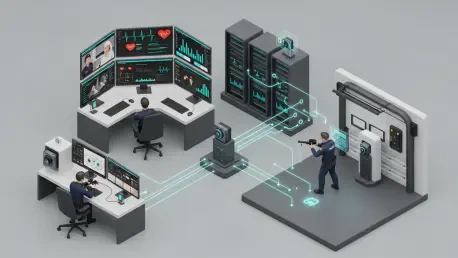
The technical implementation of body-worn cameras into scenario-based training involves synchronizing high-definition video streams with external environmental sensors to create a comprehensive digital twin of a training exercise. Agencies now utilize sophisticated software platforms that can overlay biometric data, such as heart rate and respiratory speed, directly onto the camera footage to correlate physical stress with tactical decision-making. This holistic view allows instructors to identify exactly when an officer begins to experience tunnel vision or auditory exclusion, providing a roadmap for remedial exercises designed to enhance composure under pressure. Instead of relying on a supervisor’s distant observation, the trainee can review their own point-of-view footage to see precisely where their eyes were focused and how their hands moved during a weapon transition. This level of granular analysis transforms a standard drill into a deep-dive diagnostic session that targets specific technical deficiencies with surgical precision.
Beyond the technical data, the pedagogical value of visual self-reflection is immense, as it forces officers to confront their performance without the bias of adrenaline-fueled memory. When an individual watches a recording of their own actions, the cognitive dissonance between what they thought happened and what actually occurred serves as a powerful catalyst for behavioral change. This psychological mirror helps in dismantling defensive attitudes often found in traditional debriefings, where an officer might feel the need to justify a mistake to a superior. Seeing a tactical error in high definition makes the lesson undeniable, leading to faster skill acquisition and better retention of complex procedures. Furthermore, these recordings can be archived and used as anonymized case studies for other members of the force, creating a library of practical knowledge that evolves with the specific challenges faced by the local community. This collaborative learning environment ensures that one person’s mistake becomes a lesson for the entire department.
Behavioral Analysis: Refining Communication and De-escalation
While much of the focus on camera technology centers on tactical movement and weapon safety, its most profound impact often lies in the refinement of verbal de-escalation techniques. Reviewing audio-visual records allows instructors to critique an officer’s tone of voice, word choice, and body language during simulated mental health crises or domestic disputes. Subtle cues, such as a confrontational stance or an overly aggressive volume, are easily identified on camera, enabling the officer to adjust their approach in subsequent iterations of the scenario. This focus on soft skills is critical in modern policing, where the ability to talk down a volatile situation is just as important as physical prowess. By analyzing these interactions frame-by-frame, departments can develop specific protocols for different types of encounters, ensuring that officers have a repertoire of proven communication strategies. This evidentiary approach to dialogue reduces the likelihood of escalation and builds greater public trust.
Agencies that adopted these advanced video integration systems successfully moved beyond reactive training models to a more proactive and analytical posture. It became clear that the simple act of recording was not enough; the real value emerged when departments dedicated time to structured video review sessions led by certified training officers. Leaders established clear guidelines for how this footage was used, ensuring it served as a tool for professional growth rather than a punitive measure. Moving forward, the focus shifted toward integrating artificial intelligence to automatically flag specific behaviors in training videos, such as the early signs of fatigue or improper holster positioning. To maximize the benefits of this technology, organizations prioritized the upgrading of their digital storage infrastructure and invested in high-bandwidth wireless systems for seamless data offloading. This commitment to modernizing instructional methods ensured that the workforce remained resilient, technically proficient, and deeply prepared for the evolving demands of public safety.