
The turquoise waters of the Arabian Gulf surrounding Abu Dhabi are currently witnessing an unprecedented surge in both commercial shipping traffic and recreational boating activities as the region cements its status as a global logistics hub. This rapid expansion has necessitated a fundamental shift from traditional, voluntary safety guidelines toward a comprehensive and strictly enforced regulatory framework designed to safeguard lives and the delicate marine environment. By establishing a culture of accountability, the emirate is proactively addressing the complexities of managing busy shipping lanes alongside bustling leisure marinas. This transformation is not merely about increasing oversight but rather about creating a predictable and secure environment where maritime stakeholders can thrive without compromising public safety. As the maritime sector continues to evolve, these new protocols serve as a vital blueprint for urban coastal management, ensuring that every vessel adheres to a unified set of safety standards.
Digital Oversight: The Role of Advanced Monitoring Technology
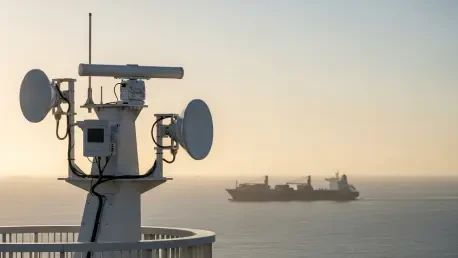
Central to this modern strategy is the operationalization of the Waterways Monitoring and Control Centre, a sophisticated facility that leverages artificial intelligence to maintain constant vigilance over the emirate’s aquatic territories. By utilizing predictive analytics, the system identifies anomalous vessel behavior that might indicate a potential collision or an unauthorized entry into restricted zones before an incident occurs. This shift from reactive patrolling to proactive digital oversight represents a major leap in maritime governance, allowing authorities to manage high-density traffic areas with unprecedented precision. The integration of high-definition sensors and satellite data provides a comprehensive operational picture, enabling controllers to track thousands of vessels simultaneously across varied weather conditions. Such technological sophistication ensures that the safety of the waterways is not managed by chance but through a data-driven approach.
This digital infrastructure does more than just watch the waves; it streamlines the entire communication process between maritime authorities and vessel operators during critical moments. When the system detects a disabled vessel or a boat straying from a designated channel, automated alerts are dispatched to the nearest patrol units and the vessel owner, significantly reducing emergency response times. The consolidation of disparate data streams into a single, unified interface allows for better resource allocation, ensuring that enforcement assets are deployed where they are most needed based on real-time traffic patterns. Furthermore, the use of this technology supports environmental protection efforts by monitoring for illegal dumping or accidental spills, allowing for rapid containment. By removing the delays associated with manual reporting, Abu Dhabi has established a benchmark for efficiency in maritime safety and digital innovation.
Financial Deterrence: Implementing a Strict Penalty Structure
To reinforce these technological advancements, Abu Dhabi Maritime has introduced a transparent schedule of fines that serves as a powerful deterrent against negligence and illegal activities. Significant financial penalties are now imposed for serious infractions, such as conducting unauthorized marine construction or operating a vessel without the necessary certifications. These measures are specifically designed to target high-risk behaviors that jeopardize the structural integrity of the waterways or the safety of other mariners. For instance, failing to properly mark a disabled vessel can lead to substantial fines, emphasizing the obligation of every boat owner to prevent their craft from becoming a navigational hazard. By clearly defining the costs of non-compliance, the regulatory body has created an environment where shortcuts are no longer viable, thereby encouraging maritime participants to invest in proper maintenance.
The implementation of this strict penalty structure was intended to foster a long-term culture of prevention rather than simply functioning as a mechanism for revenue generation. Authorities have emphasized that the ultimate goal is zero accidents, and the fines serve as a reminder that safety is a non-negotiable legal requirement for everyone using the emirate’s waters. This approach has led to a noticeable increase in compliance rates as vessel owners take greater personal responsibility for their equipment and the qualifications of their crews. Educational campaigns often accompany the enforcement of these regulations, ensuring that the public understands the reasoning behind the rules. As mariners become more accustomed to these high standards, the focus shifts from fear of punishment to a collective pride in maintaining some of the safest and most orderly waterways in the world, which is essential for growth.
Future Resilience: Legislative Integration and Strategic Growth
The alignment of local safety measures with the United Arab Emirates’ Federal Maritime Law ensured that everyone operating in the region’s waters followed the same high standards for protecting life and property. This legislative coordination removed ambiguities for international shipping companies and local operators alike, creating a level playing field for the maritime industry. To maintain this transparency, authorities utilized frequent navigational notices and digital advisories to keep the public informed about maintenance projects and changes in water routes. These communications were vital in reducing operational risks, especially during periods of heavy coastal development or seasonal weather shifts. By establishing a robust legal framework, Abu Dhabi provided the stability needed for long-term investment. This approach transformed the emirate’s waterways into a model of regulatory excellence.
Addressing human error was the final pillar of this transformation, as vessel owners were required to move beyond basic compliance and embrace a lifestyle of safety and individual responsibility. The implementation of specific regulations regarding speeding and the mandatory carriage of safety equipment effectively minimized the number of avoidable incidents across the coast. Actionable next steps for mariners included the adoption of standardized crew training programs and the regular inspection of hull integrity and engine performance. These efforts ensured that the maritime economy grew in harmony with environmental protection goals. Looking forward, the emphasis remained on utilizing sustainable technologies to further reduce the carbon footprint of the maritime sector while maintaining the highest levels of safety and operational efficiency for the regional economy.