
Employers risk legal action if they discipline workers for refusing to attend meetings intended to disseminate the company’s views on unionization or specific candidates. New York’s legal landscape creates a sophisticated intersection between the rights of employees to participate in the democratic process and the operational interests of private businesses. By integrating various state statutes with federal mandates, the state establishes a framework that safeguards civil liberties while acknowledging the employer’s need for workplace order. This delicate balance ensures that the workplace remains a productive environment without infringing upon the fundamental rights of the individual. As political discourse becomes more polarized and frequent, the necessity for clear guidelines has never been more apparent for legal departments and human resources professionals. Understanding these regulations is essential for navigating the complexities of modern employment, where political activity and professional duties frequently overlap in a digital world.
Time Allotted for Civic Participation
Statutory Mandates for Voting Leave
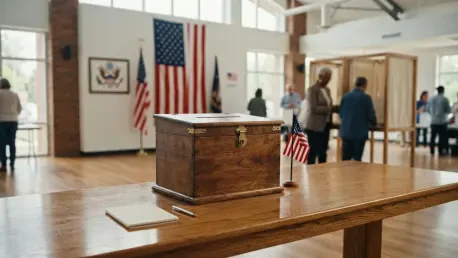
Under Section 3-110 of the New York Election Law, employers are required to ensure that no worker is disenfranchised due to their professional schedule. While the law grants up to two hours of paid leave for voting, this right is conditional and does not apply to every worker automatically. Eligibility depends on whether an employee has “sufficient time” outside of their shift to visit the polls. The statute defines this as having four consecutive hours between the opening or closing of the polls and the start or end of a work shift. Since polls in New York are generally open from 6 a.m. to 9 p.m., the necessity for leave is strictly determined by the specific timing of the individual’s workday. For instance, a standard 9-to-5 employee possesses four hours after their shift to vote, meaning they typically do not qualify for paid leave. This structured approach prevents undue operational strain while still prioritizing the democratic participation of the state’s diverse workforce.
Notification and Eligibility Standards
Beyond the hours of operation, the law mandates a strict notification process that employees must follow to secure their right to paid voting leave. To exercise this statutory benefit, a staff member must provide notice to the employer within a specific window, which is no more than ten working days but no less than two working days prior to the election. This allows businesses to adjust schedules and ensure that service delivery or production is not negatively impacted by sudden absences. If an employee fails to provide this notice, the employer is not legally obligated to provide paid time off, though they may still allow for unpaid leave if company policy permits. Furthermore, the employer has the discretion to decide whether the time is taken at the beginning or the end of the shift, provided that it allows for the necessary window to reach the polling location. These procedural requirements underscore the legislative intent to balance the civic duties of the worker with the predictable scheduling needs of the enterprise.
Regulation of Workplace Speech and Beliefs
Prohibitions on Mandatory Political Meetings
A significant shift in state policy occurred with the 2023 ban on “captive audience” meetings, which prevents employers from forcing staff to listen to company views on political or religious matters. This law protects workers from discipline or termination if they choose to opt out of meetings or communications designed to disseminate the employer’s opinions on legislation, candidates, or unionization efforts. The definition of political matters under this statute is purposefully broad, covering everything from specific candidates for public office to general regulatory debates that might affect the industry. For a business operating in New York, this means that while they can still hold voluntary sessions to discuss corporate values or industry impacts, they cannot use the threat of professional repercussions to ensure attendance. This legal barrier is intended to prevent the workplace from becoming a coercive environment where economic survival is tied to the acceptance of a specific political or religious ideology as dictated by management.
Protections for Off-Duty Conduct and Social Media
New York Labor Law Section 201-D, commonly known as the “Legal Activities Law,” provides a robust shield for employees engaging in political or recreational activities outside of work. This protection extends to personal social media use and participation in civic organizations or fundraising, provided these activities occur off-premises and on the employee’s own time. In the current era where digital footprints are permanent and easily discovered, this law is vital for protecting workers from being fired for their personal opinions expressed online. Whether an employee is campaigning for a local council member or expressing their views on national economic policy, Section 201-D prevents the employer from taking adverse action solely based on those lawful activities. This ensures that the professional relationship does not consume the entirety of a person’s life, allowing for a degree of separation between one’s job performance and their personal convictions. The state recognizes that a healthy democracy requires freedom.
Evolution of the Modern Employment Relationship
Navigating the Future of Labor Regulations
The legal narrative in New York has trended toward an expansion of employee protections, placing a greater burden on employers to justify restrictions on political expression. As digital communication continues to blur the lines between private life and professional identity, the courts have refined what constitutes “harm” to a business and how far a state can go in regulating employer speech. This ongoing evolution is marked by a shift in how “recreational activities” were defined and how social media impact was measured in a courtroom. Businesses that failed to update their handbooks to reflect these changes often found themselves facing litigation or administrative penalties. For both parties, staying informed on these evolving standards became the only way to manage the friction between personal convictions and professional obligations. The interplay between state law and federal oversight remained a dynamic force, requiring constant adaptation from legal teams to ensure compliance.
Practical HR Mitigation and Compliance
Leaders in the human resources sector successfully mitigated legal risks by prioritizing the implementation of neutral, consistently applied communication policies. They established clear boundaries for mandatory meetings and provided comprehensive training to supervisors on the nuances of voting leave and off-duty protections. By fostering a workplace culture that respected individual civic participation, these organizations reduced the likelihood of internal friction and external legal challenges. Employees who were given the time and space to fulfill their democratic duties reported higher levels of engagement and trust in their employers. Furthermore, businesses that proactively addressed the “captive audience” restrictions by making political discussions voluntary avoided the pitfalls of recent legislative shifts. These proactive steps ensured that the core business functions remained the primary focus, even during periods of intense political activity, serving as a template for long-term stability.