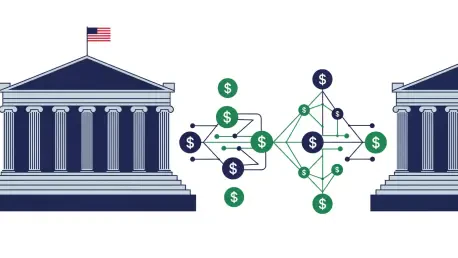

The global financial ecosystem is currently navigating a period of unprecedented structural transformation as the Guiding and Establishing National Innovation for U.S. Stablecoins Act creates a permanent bridge between digital assets and the American banking core. This legislative milestone represents the first comprehensive federal effort to codify the role of digital currencies within the domestic economy, moving beyond the reactionary postures of the past decade. By establishing a formalized category for “payment stablecoins,” the Act seeks to harness the efficiency of blockchain technology while ostensibly insulating the taxpayer from the inherent volatility of the broader crypto market. However, as the industry moves closer to the full implementation phases scheduled for next year, the integration of these high-velocity assets into the traditional financial plumbing is raising significant questions about the long-term stability of the U.S. dollar.
The emergence of stablecoins has fundamentally altered the concept of the digital reserve, acting as a crucial intermediary between decentralized finance protocols and the legacy Federal Reserve system. These fiat-backed digital assets are no longer peripheral experiments; they have become the primary liquidity rails for global trade and digital settlement, ensuring that the U.S. dollar remains the dominant unit of account in an increasingly fragmented technological landscape. The significance of this transition cannot be overstated, as the ability to move value instantly across borders provides the American economy with a strategic advantage in the race for digital supremacy.
Market leaders like Circle and Tether have expanded their operations to meet the demand for these payment stablecoins, transitioning from speculative tools into infrastructure providers for the global payments industry. This technological push is forcing a collision between the rapid-fire innovation of the blockchain sector and the deliberative, risk-averse nature of federal regulatory frameworks. The current objective is to ensure that every digital dollar in circulation is backed by high-quality, liquid reserves, yet the actual intersection of these private assets with the public banking system remains fraught with operational complexity.
The Rise of the Digital Reserve: Understanding the Stablecoin Infrastructure
The current state of stablecoin infrastructure is defined by its dual role as both a medium of exchange and a store of value within the digital economy. This dual functionality has allowed digital assets to permeate traditional finance more deeply than many analysts anticipated just a few years ago. As the GENIUS Act begins to take full effect, the distinction between a traditional bank deposit and a stablecoin balance is becoming increasingly blurred, creating a hybrid environment where the speed of software meets the security of the sovereign currency.
Maintaining the dominance of the U.S. dollar in the digital age requires more than just policy pronouncements; it demands a robust technological architecture that can withstand the pressures of a 24/7 global market. The push toward payment stablecoins is seen as a way to modernize the existing financial system without a total overhaul of the monetary base. By allowing private issuers to handle the front-end innovation of payment rails, the government is attempting to preserve the dollar’s status while letting the private sector absorb the costs of technological development and adoption.
The interaction between these innovative firms and existing federal regulatory frameworks remains a primary point of friction. Regulators are tasked with the difficult job of overseeing entities that operate at the speed of the internet, while simultaneously ensuring they do not circumvent the safety and soundness standards that have protected the American public since the Great Depression. This tension is particularly visible in the way current policies attempt to categorize different types of digital assets, often struggling to keep pace with the evolving nature of collateral and reserve management strategies.
Market Shifts and the Performance of Digital Payment Rails
The Institutional Pivot: How Consumer Behavior and Tech are Reshaping Finance
Consumer behavior has undergone a profound shift as the novelty of speculative trading has given way to the practical utility of stablecoins for everyday financial activities. In the current market, individuals and businesses are increasingly utilizing these digital assets for cross-border remittances and instant payroll processing, bypassing the slow and expensive correspondent banking networks of the previous century. This institutional pivot suggests that the future of finance lies in the seamless integration of digital rails into the consumer experience, where the underlying blockchain technology is invisible to the end user but provides substantial improvements in settlement speed.
The demand for 24/7 liquidity has leveled the playing field between traditional banking giants and agile crypto firms, as both seek to capture the market for interest-bearing digital accounts. Crypto firms are increasingly pursuing bank-like status to offer services that were once the exclusive domain of commercial banks, such as yielding returns on idle balances and providing direct access to payment systems. This competition is driving a wave of innovation that forces traditional institutions to modernize their own aging infrastructures or risk losing their core deposit bases to digital-native competitors.
Technological advancements are now focused on achieving instant settlement and atomic swaps, where the transfer of an asset and the payment for that asset happen simultaneously. This eliminates the counterparty risk that has plagued financial markets for decades and reduces the capital requirements for market participants. As these digital payment rails become more reliable and widely adopted, the pressure on the traditional financial system to adapt becomes even more intense, leading to a total reevaluation of how liquidity is managed on a global scale.
Quantifying Risk: Market Growth Projections and Historical Failure Points
The projected market capitalization for stablecoins is expected to continue its aggressive climb as the 2027 full implementation deadline approaches, with some estimates suggesting the total value could exceed several trillion dollars. This rapid expansion is a double-edged sword; while it indicates high market confidence and utility, it also concentrates a massive amount of risk within a relatively new and untested asset class. The growth is largely fueled by the legitimacy provided by the GENIUS Act, which has encouraged institutional investors to enter the space with a level of capital that was previously seen as too risky.
Reflecting on the data from the 2022 TerraUSD collapse and the 2023 banking crisis involving Silicon Valley Bank provides a stark reminder of the inherent vulnerabilities in these systems. The historical failure points suggest that even assets marketed as stable can suffer from catastrophic de-pegging if the underlying reserve management is opaque or if the market loses confidence in the issuer’s solvency. These past incidents serve as the primary justification for the current regulatory push, yet critics argue that the sheer scale of the industry today makes a similar failure much more dangerous to the broader economy.
As the industry moves toward the final compliance deadlines, the potential for systemic performance issues remains a central concern for market analysts. The integration of stablecoins into the federal safety net through the GENIUS Act means that a failure in the digital asset space could have a direct and immediate impact on the health of the traditional banking sector. Forecasts suggest that while the industry is likely to grow, the period leading up to 2027 will be marked by extreme scrutiny and potential consolidation as firms struggle to meet the rigorous new capital and liquidity requirements.
The Contagion Effect: Navigating Liquidity Risks and Structural Vulnerabilities
The mechanics of a bank run are inherent to any entity that promises immediate redemption of assets, and stablecoins are no exception to this fundamental rule of finance. Without the traditional safeguards like deposit insurance for the assets themselves, digital currencies remain susceptible to panics where a sudden loss of confidence leads to a rush for the exits. The digital nature of these assets means that a run can happen at the speed of a mouse click, far faster than the physical bank runs of the past, leaving regulators with almost no time to intervene before a collapse occurs.
Charter shopping has emerged as a significant structural vulnerability, where firms seek out the most lenient oversight to maximize their operational freedom and minimize compliance costs. By exploiting gaps between different state and federal regulatory bodies, some stablecoin issuers are able to operate with a degree of risk that would be unacceptable for a traditional commercial bank. This race to the bottom creates an uneven playing field and introduces hidden risks into the financial system, as the most aggressive actors often become the largest and most interconnected.
There is a growing concern that volatility in the crypto sector could bleed into traditional mortgage and consumer lending markets, especially as stablecoin reserves are increasingly held in the same liquid assets that back the broader economy. If a major issuer is forced to liquidate its holdings of Treasury bills or corporate debt to meet a wave of redemptions, the resulting fire sale could drive up interest rates and restrict credit availability for ordinary Americans. This decoupling of speculative activities from essential banking functions is one of the most significant challenges facing policymakers today.
Effective strategies for decoupling these risks involve the creation of strict firewalls between a firm’s digital asset activities and its traditional banking operations. However, the interconnected nature of modern finance makes these walls difficult to maintain in practice. As long as stablecoins rely on the traditional banking system for reserve storage and settlement, the potential for contagion remains a persistent threat that requires constant monitoring and proactive intervention by federal authorities.
Legislating Innovation: The GENIUS Act and the Redefinition of Financial Oversight
The GENIUS Act introduced a new category of financial entity known as Permitted Payment Stablecoin Issuers, or PPSIs, which are subject to a specific set of federal rules designed to ensure their stability. These provisions include strict requirements for reserve composition, mandatory public audits, and clear guidelines for how these entities can interact with the broader financial system. While the Act is intended to provide a pathway for innovation, it also centralizes a significant amount of power within federal agencies that may not be fully equipped to handle the complexities of blockchain-based finance.
Controversy surrounds the role of the Office of the Comptroller of the Currency and its use of light-touch trust bank charters to bring crypto firms into the regulatory fold. Critics argue that these charters allow firms to enjoy the benefits of federal oversight without the corresponding burden of rigorous safety and soundness examinations. This approach has led to a perception that some regulators are prioritizing industry growth over systemic stability, potentially creating a new class of shadow banks that are too big to fail but too lightly regulated to succeed in a crisis.
The ability of the government to conduct rigorous risk examinations is further compromised by significant workforce reductions at the FDIC and OCC. As experienced career officials leave these agencies, the remaining staff may lack the technical expertise to fully understand the intricate software and financial engineering behind modern stablecoin protocols. This loss of institutional knowledge occurs at the exact moment when oversight needs to be at its strongest, creating a dangerous gap in the federal government’s ability to protect the public interest.
Furthermore, a lack of coordination between the Federal Reserve and other regulatory bodies has led to a fragmented and sometimes contradictory approach to stablecoin oversight. Without a unified federal strategy, different agencies may issue conflicting rules, leading to market confusion and providing additional opportunities for regulatory arbitrage. The role of compliance is essential, but it must be supported by a cohesive framework that ensures all parts of the financial system are working toward the same goal of long-term stability.
The Road to 2027: Predicting Disruption in the Global Financial Order
The long-term consequences of integrating crypto-firms into the federal safety net will likely be felt for decades, as the line between private digital assets and public money continues to thin. This integration may provide a boost to the digital economy, but it also places the full faith and credit of the United States behind a sector that has historically been defined by its volatility. If the public perceives that the government is backstopping high-risk crypto ventures, the loss of trust could be catastrophic during the next period of market stress.
Discretionary decision-making by regulators often leads to systemic gaps where the rules are applied inconsistently based on the political climate of the moment. This lack of predictability makes it difficult for businesses to plan for the long term and creates an environment where personal connections to regulators can be more important than the actual health of a firm’s balance sheet. A loss of public trust in the neutrality of the financial oversight system would undermine the very foundation of the American economy.
The future of the FDIC Insurance Fund is also at risk, as the intermingling of stablecoin reserves and insured deposits creates a situation where the fund could be used to cover losses in the crypto sector. Using the life savings of regular consumers to backstop the activities of digital asset issuers is a politically and economically risky strategy that could lead to a massive public backlash. Protecting the integrity of the insurance fund is essential for maintaining the stability of the retail banking system, especially during times of global economic uncertainty.
Potential disruptors, such as the emergence of a U.S. Central Bank Digital Currency, could completely upend the private stablecoin market before the 2027 implementation is even complete. A government-issued digital dollar would likely offer a level of security and efficiency that private issuers cannot match, potentially making current stablecoins obsolete. Additionally, shifting global economic conditions and the rise of competing digital currencies from other nations could force the U.S. to take even more drastic measures to protect its financial sovereignty in the years to come.
A Precarious Path Forward: Securing the Future Against Systemic Instability
The fundamental tensions between the rapid pace of fintech innovation and the necessity of financial soundness defined the narrative of the GENIUS Act’s first years of implementation. It was observed that while the legislation sought to provide a framework for the future, it often struggled to address the underlying risks inherent in digital assets. The move toward a more integrated system highlighted the difficulty of maintaining legacy safety standards in an era of instant global liquidity.
The assessment of the GENIUS Act suggested that it offered a degree of clarity for the industry, yet it also masked an erosion of institutional oversight that many found troubling. The use of discretionary power and the reduction in specialized regulatory staff created an environment where systemic vulnerabilities were more likely to be overlooked. This led to a conclusion that the path toward 2027 was more precarious than many proponents of the Act were willing to admit publicly.
Strengthening federal oversight was identified as a critical recommendation to prevent the next great financial disruption. This included the need for better coordination between agencies, more transparent reserve requirements, and a refusal to allow high-risk firms to benefit from the federal safety net without meeting the highest standards of safety and soundness. It was argued that without these protections, the growth of the stablecoin industry would inevitably lead to a market correction that could damage the entire global financial order.
Ultimately, the prospects for the industry remained a subject of intense debate, as the risks of a catastrophic correction were balanced against the potential for significant economic growth. The transition to a digital-first financial system was seen as inevitable, but the success of that transition depended on the ability of regulators to remain vigilant against the same types of excesses that led to previous crises. The focus shifted toward ensuring that the next chapter of American finance was built on a foundation of genuine stability rather than speculative growth.