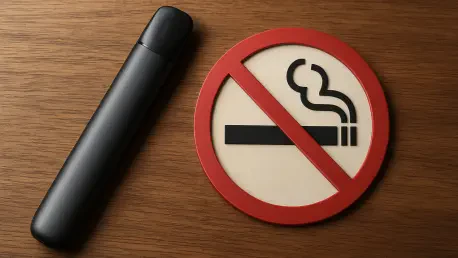

The legislative change reflects a unified state effort to eliminate the ambiguity surrounding indoor air quality standards and modern nicotine products. For several decades, the distinction between traditional combustible cigarettes and electronic nicotine delivery systems created a confusing regulatory environment that left business owners and patrons unsure of the rules in shared spaces. This uncertainty concludes on October 1, as Alabama officially integrates electronic nicotine delivery systems into its comprehensive smoke-free framework. Stemming from Senate Bill 9, passed during the 2026 Legislative Session, the updated policy renames the foundational 2003 law to the Vivian Davis Figures and Barbara Drummond Clean Indoor Air Act. By expanding the legal definition of smoking, the state ensures that the air quality in shared indoor environments is protected from the secondary aerosols produced by vapes, effectively treating these high-tech devices with the same scrutiny as traditional tobacco products.
Legal Framework: Expanding the Definition of Smoking
Modernization: Integrating Vaping into Health Laws
The reach of this new legislation is remarkably broad, ensuring that nearly every major indoor hub where residents gather for work, travel, or leisure remains free from electronic nicotine aerosols. Under the expanded act, the ban covers an exhaustive list of facilities including government buildings, hospitals, educational institutions, and traditional retail storefronts. Shopping malls and restaurants, which serve as primary social centers for Alabamians, are now legally required to prohibit the use of vaping devices within their interior perimeters. This regulation also extends to transit-oriented locations such as airport terminals and bus stations, recognizing that travelers in enclosed spaces should not be subjected to the byproduct of nicotine consumption while waiting for transport. Recreational sites like theaters and museums are similarly included, creating a consistent expectation for clean air. However, the law respects the boundary of personal property by excluding private residences from these mandates.
Compliance: Signage and Business Responsibilities
For the business community, the transition toward a vape-free indoor environment requires proactive adjustments to internal policies and physical premises. The Alabama Department of Public Health has already begun issuing specific guidance to help facility managers and retail owners align their operations with the requirements of the new act. Business owners are tasked with updating their official smoking policies to explicitly include electronic nicotine delivery systems and must ensure that all mandatory signage is clearly displayed to inform the public of the change. This logistical shift is more than a mere formality; it serves as the primary mechanism for preventing accidental violations and minimizing friction between staff and patrons. Individuals who utilize these devices are likewise expected to take personal responsibility for staying informed about the updated legal landscape. By clearly marking covered locations, the state hopes to foster an environment where compliance is the default behavior, thereby reducing the need for punitive enforcement.
Future: Long-Term Outlook for Public Wellness
Looking forward, the successful implementation of this act served as a foundational step for broader health initiatives planned for the period from 2026 to 2028. To capitalize on this regulatory momentum, community health leaders prioritized public education campaigns that highlighted the specific risks associated with secondary aerosol exposure. For local municipalities, the next logical step involved the integration of these state-wide standards into local zoning and licensing agreements to ensure uniform enforcement across all jurisdictions. Schools and youth organizations also leveraged this legal shift to reinforce educational programs focused on preventing nicotine addiction among younger generations who previously viewed vaping as a safer alternative to traditional tobacco. Ultimately, the state signaled a definitive commitment to long-term wellness by prioritizing the collective health of the citizenry over individual convenience in shared spaces. This policy transition established a clear pathway for future regulations that continue to adapt to new delivery methods.