
Trustee Celeste Bickford argued that the board has a professional obligation to advocate for student health by challenging industrial waste discharge permits. This proactive stance defined the tone of the most recent regular meeting of the School District No. 48 (SD48) Board of Education on November 18, which signaled a significant shift toward holistic student protection. Beyond the standard administrative duties of a new term, board members found themselves navigating a complex landscape where industrial growth directly intersects with public health and community safety. The proceedings, marked by the swearing-in of trustees and the election of leadership, were quickly dominated by two pressing concerns: the potential respiratory impacts of air emissions from regional energy projects and a burgeoning safety crisis involving the use of electric bikes by minors. These issues represent a broader mandate for modern educational boards, where the environment outside the classroom is viewed as just as critical as the instruction provided within it.
Industrial Accountability and Public Health Advocacy
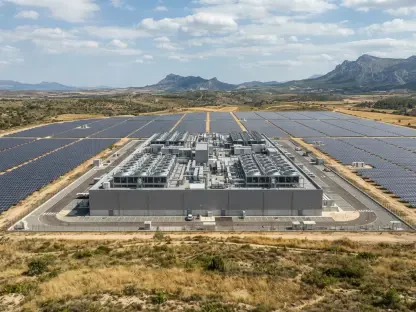
At the core of the environmental discussion was the Woodfibre LNG project and its application for a Waste Discharge Authorization air permit, a regulatory step required before the facility enters its operational start-up phase. Trustees examined the specifics of the application, which details various sources of air emissions, including flaring operations that have become a focal point of community concern. The board’s review of the air quality modeling indicated that while the facility might meet minimum requirements, the cumulative impact on the Squamish-Lillooet region remained a point of contention. Trustee Bickford, representing Area D, led the call for the board to move beyond passive observation and into active intervention. By framing the issue as a matter of student and staff health, the board established that any industrial development must be scrutinized through the lens of local air quality. This approach reflects a growing trend where school districts act as environmental stewards to protect the vulnerable populations they serve.
The board emphasized that the BC Energy Regulator must impose stringent regulations that go beyond mere financial penalties, which are often viewed as a simple cost of doing business for large industrial corporations. Instead, the trustees called for rigorous monitoring, frequent testing, and a level of transparent reporting that allows the public to hold the facility accountable in real-time. A unanimous motion was passed to send a formal letter to both the operator and the provincial regulator, asserting that public health must remain the paramount consideration during the permit evaluation process. This decision reinforces the district’s commitment to ensuring that long-term industrial activities do not result in chronic health issues for children in the Sea to Sky corridor. By demanding enforceable measures that prioritize the integrity of the local atmosphere over corporate convenience, the school board has positioned itself as a critical check on regional industrial expansion, ensuring that the safety of the educational environment is not compromised.
Administrative Continuity: Leadership and Transitions
Parallel to these advocacy efforts, the meeting addressed the structural leadership required to guide the district through the coming years of growth and change. Following the formal swearing-in ceremony, the board convened its first committee of the whole to elect the officials who will steer the organization’s strategic direction. April Lowe was re-elected as Chair of the Board, while Cynthia Higgins, the trustee from Whistler, was selected to remain in her role as Vice Chair. This continuity in leadership is seen as a strategic move to maintain momentum on ongoing projects and to provide a stable voice in negotiations with provincial authorities and local partners. The re-election of the existing leadership team suggests a high level of internal confidence in the current trajectory of the district. It also ensures that the institutional knowledge gained during previous terms remains at the forefront as the board tackles complex issues such as the housing shortage for staff and the modernization of school infrastructure.
The session also provided a platform to recognize the significant contributions of Paul Lorette, the Assistant Superintendent, who is concluding his tenure at the end of November. Chair April Lowe delivered a heartfelt tribute, acknowledging Lorette’s role as a foundational pillar of the district for decades and his mentorship of countless educators. His departure marks the end of a long career characterized by a deep devotion to student welfare and a constant presence at community events. The board reflected on how his leadership influenced the educational discourse in the region, particularly in his efforts to integrate professional development with practical student outcomes. As the district prepares to transition to new administrative personnel, the legacy of Lorette’s commitment to the Sea to Sky schools serves as a benchmark for future leaders. His retirement emphasizes the importance of human capital in maintaining the district’s high standards and highlights the transition the board must now manage as it seeks to fill this critical vacancy.
Community Safety: Addressing the E-Bike Crisis
While environmental concerns dominated the long-term outlook, the immediate physical safety of students traveling to school emerged as a critical crisis during the discussion of electric bikes. Board Chair April Lowe highlighted a widespread lack of public awareness regarding the Motor Vehicle Act, which strictly prohibits anyone under the age of 16 from operating an e-bike in British Columbia. Despite this legal restriction, schools have seen a surge in elementary and middle-school-aged children arriving on high-powered electric cycles. This creates a significant legal and liability challenge for both the district and the parents involved, as many families are operating under the false impression that these vehicles are treated like standard bicycles. The board noted that the power and speed of these bikes are fundamentally different from traditional pedal bikes, requiring a different level of maturity and spatial awareness that the provincial law acknowledges through its age restrictions. Addressing this disconnect has become a priority.
The board successfully integrated environmental advocacy with immediate safety protocols to address the evolving needs of the student population. By taking a firm stance against industrial emissions, the trustees recognized that the long-term respiratory health of the community required proactive political engagement rather than passive compliance. At the same time, the decisive actions regarding e-bike safety demonstrated an awareness that current transportation trends demanded immediate regulatory intervention and public education. These initiatives shifted the focus of school governance from internal curriculum management to a broader role as a community protector. Future considerations now involve the implementation of more robust monitoring systems for air quality and the potential for revised municipal bylaws that could further restrict e-bike access in school zones. The district provided a clear framework for balancing economic growth with public safety, ensuring that the welfare of the youth remained the primary measure of success.