
The Proliferation of Data Infrastructure in North Texas
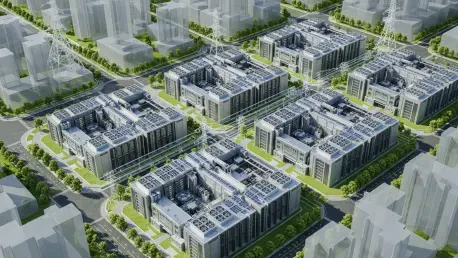
The rapid transformation of the North Texas horizon from rolling prairies to fortress-like concrete blocks marks a fundamental shift in the regional industrial identity. Fort Worth, once characterized by its cattle-trading history, now serves as a critical nexus for the global digital economy. As data centers multiply across the Dallas-Fort Worth metroplex, the municipal government has recognized that the initial reactive zoning policies are no longer sufficient to manage the scale of this expansion. The city is now transitioning toward a proactive regulatory framework that seeks to categorize these facilities not merely as warehouses, but as high-impact utility users that require specialized oversight.
This shift is driven by the realization that data infrastructure is the primary engine of modern industrial growth, attracting multi-billion-dollar investments from global technology giants. However, the sheer size of these developments often creates a friction point between economic ambitions and the preservation of urban integrity. Municipal leaders are tasked with a difficult balancing act: they must foster an environment that welcomes high-tech innovation while ensuring that such massive projects do not erode the quality of life for the surrounding communities.
To manage this delicate transition, Fort Worth has introduced a multi-tiered strategy designed to regulate resource-heavy developments before they become permanent fixtures of the landscape. This plan involves the creation of specialized commissions, the implementation of stricter environmental benchmarks, and a deeper integration with state-level utility regulators. By establishing these guardrails, the city aims to secure its place in the digital future without sacrificing the local resources and aesthetic character that define its identity.
Analyzing the Growth Drivers and Statistical Landscape
Shifting Development Patterns and Community-Centric Demands
The evolution of data centers has moved them from isolated industrial zones into the immediate proximity of residential neighborhoods, fundamentally changing the nature of urban planning. In the current market, the race to implement artificial intelligence requires data centers to be located closer to fiber-optic hubs and urban centers to reduce latency. This proximity has sparked a surge in community-centric demands for transparency, as residents are no longer willing to accept windowless “gray boxes” as silent neighbors. There is an increasing public outcry regarding the aesthetic impact of these structures and the constant hum of industrial cooling fans that can disrupt the peace of nearby homes.
Moreover, the technical requirements of these facilities are changing as high-density computing becomes the industry standard. Modern server racks require significantly more power and more aggressive cooling solutions than those seen even a few years ago. This technological acceleration means that developers are seeking sites with pre-existing heavy power infrastructure, often putting them in direct competition with other commercial or residential land uses. The city must now evaluate how these shifting patterns influence long-term zoning maps and whether specific “industrial-data zones” are necessary to prevent further encroachment into living spaces.
Quantifying the Impact on Local Resources and Regional Infrastructure
Analyzing the statistical landscape reveals a staggering demand for natural resources, particularly water, which is often used in massive quantities for evaporative cooling systems. On average, a single large-scale data center can consume hundreds of thousands of gallons of water daily, a figure that raises significant concerns in a region where water conservation is a perennial priority. Municipal planners are now looking at the data to determine if current reservoirs can sustain this industrial thirst without compromising the needs of a growing human population.
Financial indicators also play a crucial role in this regulatory debate. While data centers provide a significant boost to the property tax base, they often create very few permanent jobs compared to the massive physical footprint they occupy. Fiscal performance indicators must be carefully weighed to determine if the tax incentives traditionally offered to tech companies are justified by the high cost of the municipal services and utility upgrades they require. Current projections suggest that without a change in the incentive structure, the long-term maintenance of the infrastructure supporting these sites could potentially outpace the immediate tax benefits.
Navigating the Complex Hurdles of Rapid Industrial Expansion
The legal landscape presents a significant challenge known as the vested rights dilemma, which complicates the city’s ability to apply new rules to existing projects. Under the current legal framework, developers who have already initiated the permit process or filed plats may be legally entitled to proceed under the older, more lenient regulations. This creates a two-tiered system where new, more sustainable standards only apply to future developments, leaving a backlog of legacy projects that may not meet the city’s evolving expectations for noise and energy efficiency.
Furthermore, enacting a formal development moratorium is a complex legal maneuver governed by Chapter 212 of the Texas Local Government Code. The city cannot simply halt construction; it must provide rigorous written findings that demonstrate a clear threat to public health or safety. Navigating these requirements requires a high degree of administrative precision to avoid costly litigation from developers. This tension between the economic allure of large-scale investment and the preservation of neighborhood welfare remains the central conflict for the City Council as they weigh the benefits of a temporary pause against the risk of stifling growth.
Constructing a Robust Framework for Municipal Oversight
To address these challenges, the formation of the Data Center and Infrastructure Commission represents a pivotal step toward institutionalized oversight. This body, comprised of academic experts and environmental advocates, is tasked with establishing new safety and welfare standards that specifically target the unique footprints of data infrastructure. By integrating resident input into the legislative process, the commission ensures that the voices of those living adjacent to these sites are heard. This collaborative governance model is designed to move beyond simple land-use permits and into a more holistic evaluation of how each project fits into the city’s broader social and environmental goals.
A key component of this new framework is the requirement for state-level verification before local permits are finalized. Fort Worth is moving toward an ordinance that mandates developers provide proof of approval from the Electric Reliability Council of Texas or the Public Utility Commission. This alignment ensures that local building permits do not exceed the capacity of the statewide electric grid, preventing localized brownouts or price spikes for residential consumers. By defining these rigorous findings as a prerequisite for development, the city creates a transparent pathway for growth that is backed by data and state-level grid scrutiny.
Projecting the Next Phase of Data Center Integration
Looking forward, the industry is expected to pivot toward more sustainable cooling technologies, such as liquid-to-chip cooling, which drastically reduces water consumption. Architectural designs are also evolving to include advanced noise-mitigation shells and landscaped buffers that help these facilities blend into their surroundings. These innovations are not just aesthetic; they are becoming a necessity for developers who wish to avoid the regulatory hurdles and community opposition that have characterized recent projects. Fort Worth’s move toward stricter codes is likely to accelerate the adoption of these “good neighbor” technologies across the entire North Texas region.
As the city formalizes its permanent code amendments, it will set a significant precedent for other Texas municipalities facing similar industrial surges. The future of data center integration will likely depend on the balance between mandatory regulations and voluntary developer compliance. Those companies that choose to exceed minimum standards for green infrastructure and noise control will likely find a much smoother path through the municipal approval process. This evolving market dynamic suggests that the next generation of data centers will be defined as much by their environmental stewardship as by their computational power.
Synthesis of Fort Worth’s Strategic Path Forward
The analysis of the data center expansion demonstrated that the previous era of unchecked growth was unsustainable for the long-term health of the city’s infrastructure. City officials recognized that the high demand for water and electricity necessitated a significant shift in how industrial projects were vetted. The findings indicated that while the tech sector provided a substantial tax base, the social and environmental costs required a more structured approach to urban planning. By implementing the specialized commission, the city successfully established a platform where technical expertise and community concerns could finally converge.
The strategies implemented by the municipal government established a clear roadmap for balancing technological progress with the fundamental needs of the citizenry. Inter-agency cooperation between the city and state utility regulators provided a necessary layer of protection for the statewide electric grid. In the end, the transition toward a proactive regulatory model safeguarded local resources while maintaining the region’s competitive edge in the global digital economy. This framework offered a durable solution that prioritized sustainable development and ensured that the digital boom did not come at the expense of the residents who call the city home.