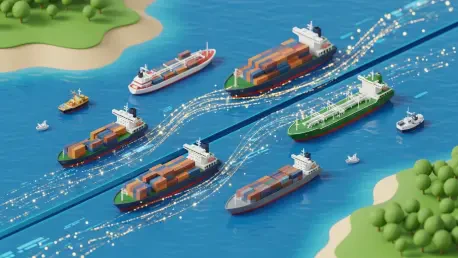

The sudden announcement of a synchronized cessation of hostilities has sent shockwaves through the global financial markets as the maritime gates of the Persian Gulf swing open for the first time in weeks. Following the declaration of a ceasefire between Israel and Lebanon, crude oil prices plummeted nearly $10 almost overnight, proving that the flow of energy through a narrow strip of water remains the world’s most sensitive financial trigger. This sudden reopening of the Strait of Hormuz marks a pivotal moment where high-stakes military tension has finally yielded to the immense pressures of international commerce.
What was once a theater of naval posturing is now a corridor of renewed opportunity. As tankers begin to plot their routes through the channel, the immediate drop in energy futures indicates how deeply the global economy relies on the predictable transit of natural resources. This opening is not merely a diplomatic victory; it is a vital release valve for an international market that was beginning to buckle under the weight of sustained regional instability and the specter of a prolonged energy crisis.
The Global Economy Breathes a Sigh of Relief: How Maritime Blockades Lift
How much is a ten-day window of peace worth to the global economy? This question moved from a theoretical exercise to a measurable reality as the cost of crude oil fell to approximately $81.50 per barrel following the news of the truce. The lifting of the blockade has effectively neutralized a massive risk premium that had been baked into every gallon of fuel and every unit of industrial output, offering a rare moment of respite for central banks struggling to contain inflation.
The economic relief extends far beyond the gas pump, reaching into the logistics of global manufacturing and retail supply chains. When a primary energy artery is constricted, the resulting friction increases the cost of everything from maritime insurance to the production of essential chemicals. By allowing the free movement of goods, this ceasefire has demonstrated that even a brief interruption in conflict can restore a degree of sanity to the volatile world of international trade and commodity pricing.
A Strategic Chokepoint: The Heart of Global Energy Security
The Strait of Hormuz is not merely a geographic location; it is the world’s most important energy artery, facilitating the passage of roughly 20 percent of the global oil supply. When regional conflicts involving Iran, Israel, and Lebanon escalate, this waterway becomes a primary tool of leverage, turning local skirmishes into international crises. Understanding the current reopening requires a look at how maritime security and regional military actions are inextricably linked to the stability of manufacturing costs across the globe.
In this high-stakes environment, the channel serves as a thermometer for geopolitical health. Any restriction in this narrow passage sends a signal that reaches from the refineries of East Asia to the heating systems of Northern Europe. Because no viable alternative exists that can handle the sheer volume of crude transported through the Strait, the waterway remains the ultimate strategic prize and a constant source of anxiety for every nation that depends on fossil fuels for its industrial survival.
De-escalation Through Diplomacy: The Ten-Day Ceasefire and its Ripple Effects
The synchronization of the Israel-Lebanon ceasefire with the lifting of the Iranian maritime blockade suggests a complex, multifaceted diplomatic arrangement spearheaded by the United States. While the truce is currently set for a brief 10-day period, the immediate market reaction was profound, reversing a dangerous climb toward the $100 mark. This period of de-escalation acts as a direct catalyst for economic relief, proving that the tools of negotiation can be just as impactful as military deterrence in securing the high seas.
International mediators have worked tirelessly to decouple the immediate humanitarian needs in Lebanon from the broader naval standoff in the Persian Gulf. However, the reality on the ground shows that these two issues are essentially two sides of the same coin. By securing a pause in the fighting on the border, diplomats successfully signaled to regional actors that a path toward normalization was possible, prompting the removal of maritime barriers that had previously threatened to trigger a total shutdown of the global energy trade.
Industry Skepticism: The Geopolitical “Paper Tiger” Critique
Despite the diplomatic breakthrough, maritime experts and insurance stakeholders remain in a “wait-and-see” posture, citing unresolved concerns over ship safety and long-term security guarantees. This atmosphere of caution is compounded by a shifting geopolitical landscape where the U.S. administration has expressed frustration with traditional alliances. By dismissing the late offers of assistance from NATO and labeling the organization a “Paper Tiger,” the current narrative emphasizes a shift toward unilateralism and direct negotiations over collective international frameworks.
Shipowners are particularly wary of the “paper” nature of this peace, wondering if the protection of their vessels depends on a fragile political whim rather than a robust military presence. The refusal to rely on traditional coalition-based maritime security suggests a new era where individual national interests dictate the safety of the commons. As insurance premiums remain elevated, the industry is signaling that it requires more than just a temporary ceasefire to feel confident in the safety of the world’s most dangerous waters.
Navigating the Fragile Path: Long-Term Regional Stability
Transforming a temporary 10-day opening into a lasting peace required a concrete framework that addressed the underlying causes of the blockade. Practical steps forward included the formal disarmament of Hezbollah and the establishment of defined mechanisms to eliminate “nuclear dust” from the energy programs of Iran. Stability depended on the success of upcoming high-level negotiations at the White House, where leaders transitioned from crisis management to a sustainable strategy for maritime and territorial security that benefited the entire international community.
Global stakeholders looked toward the implementation of rigorous verification protocols to ensure that the cessation of hostilities remained more than a fleeting moment of quiet. Ensuring the safety of the Strait of Hormuz necessitated a permanent shift in how regional powers engaged with one another, moving away from proxy warfare and toward a cooperative security model. As these discussions progressed, the focus shifted to creating a maritime environment where commercial interests were insulated from the shifting winds of political conflict, ensuring that the global energy supply never again became a hostage to regional grievances.