

The rapid transition from a decentralized, often opaque ecosystem to a highly structured financial environment has redefined how institutional investors and retail participants interact with digital assets across the globe. By mid-2026, the absence of clear legislative boundaries that once defined

Enterprises navigating the complex intersection of decentralized finance and traditional corporate governance often find that the speed of technological adoption significantly outpaces the development of clear regulatory frameworks. Recent audits of major global firms have revealed that nearly

The landscape of digital finance has undergone a profound transformation as the ideological battle between absolute user anonymity and state-mandated transparency reaches its definitive conclusion across the global economy. What began as a decentralized rebellion against traditional banking
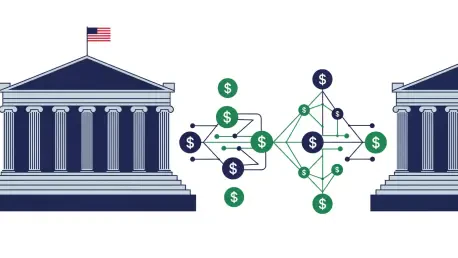
The global financial ecosystem is currently navigating a period of unprecedented structural transformation as the Guiding and Establishing National Innovation for U.S. Stablecoins Act creates a permanent bridge between digital assets and the American banking core. This legislative milestone

The rapid transformation of Vietnam from a manufacturing-centric economy into a sophisticated digital powerhouse represents one of the most significant shifts in Southeast Asian market dynamics over the last decade. Vietnam currently stands at a crossroads where traditional trade meets a borderless

The integration of a single legislative framework across twenty-seven sovereign nations has effectively terminated the era of fragmented digital asset supervision that once characterized the European continent. This monumental shift signals a departure from the days of loosely defined national