

The global financial landscape witnessed a seismic shift as the Central Bank of Libya and the People’s Bank of China formalized a direct payment link that bypasses traditional Western intermediary structures. This landmark consensus, reached during high-level discussions at the IMF Spring Meetings
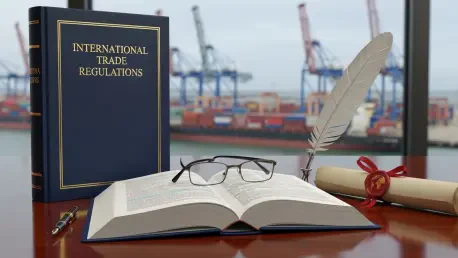
The global marketplace has undergone a seismic shift as trade compliance transformed from a routine administrative checklist into the primary frontline of American national security and economic statecraft. This evolution has fundamentally altered how multinational corporations view their supply

The traditional concept of holding assets within a single domestic jurisdiction has rapidly become an obsolete strategy for those seeking to preserve long-term capital in an increasingly volatile global economy. Modern investors are now navigating a complex web of international regulations,

The global economy now moves at the speed of light, with trillions of dollars crossing borders in mere seconds, yet this unprecedented velocity has created deep shadows where financial crime thrives unchecked by outdated defenses. As real-time payments become the global standard, financial

The accelerating global proliferation of disparate digital tax mandates is creating a silent financial crisis within the finance departments of multinational corporations, forcing them to confront the unsustainable nature of their fragmented compliance infrastructures. As governments worldwide

The relentless ticking of the regulatory clock has created an unprecedented pressure cooker environment for financial institutions globally, forcing a long-overdue reckoning with decades-old payment infrastructures. As the industry hurtles toward a series of non-negotiable modernization deadlines,