
The shift in how global trade is policed has reached a critical inflection point where a single clerical error in a sanctions report can now trigger a financial penalty exceeding the annual revenue of a mid-sized corporation. For decades, the Office of Foreign Assets Control (OFAC) operated as a

Desiree Sainthrope is a preeminent legal expert who has spent years at the intersection of global compliance and international trade law. Her expertise in drafting complex trade agreements and her deep understanding of the regulatory hurdles facing emerging technologies make her a crucial voice in
Desiree Sainthrope stands at the high-stakes intersection of international diplomacy and corporate survival. As a legal expert who has spent years dissecting the fine print of trade agreements and navigating the labyrinth of global compliance, she has witnessed a tectonic shift in how multinational

Industry analysts warn that any failure to resolve the roll-up dispute will disproportionately impact the production of high-value components like transmissions and engines. This warning comes at a pivotal moment as the optimistic veneer of recent high-level trade summits begins to crack under the

Brent Kohls of the North Dakota Soybean Growers Association noted that while market access has improved, the high cost of doing business remains a critical hurdle. This perspective captures the dual reality facing American producers today as they contend with a global trade environment that is both
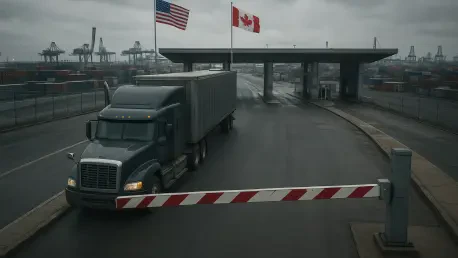
Economists warn that the ongoing dispute over automotive assembly and resource exports could lead to a prolonged cycle of retaliatory tariffs affecting billions in bilateral trade. This dire prediction followed the dramatic impasse reached on August 21, when high-stakes trade negotiations between