

Rather than imposing a single rigid standard, the CSIA-GAA framework encourages the adaptation of international best practices to fit unique local operating realities and regulatory environments. The corporate governance landscape is currently navigating a period of unprecedented volatility

Law firms and corporate legal departments have historically faced a significant financial bottleneck when attempting to utilize cutting-edge artificial intelligence for massive document review cycles. By focusing on a limited set of high-speed sorting tasks, the GPT-6-Luna model provides a
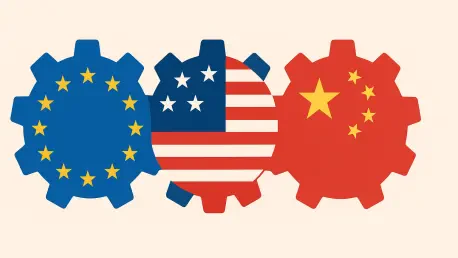
The rapid evolution of artificial intelligence systems has forced a global reckoning over the potential for devastating cyberattacks and threats to national security. In 2026, the proliferation of autonomous agents has transitioned from a technical novelty to a core component of geopolitical

The European Commission is investigating the potential for a statutory right to remuneration that would ensure creators receive a fair share of the revenue generated by AI systems. This initiative marks a definitive moment for European intellectual property law as regulators scramble to keep pace

Seattle Mayor Katie Wilson is set to sign a first-of-its-kind ordinance prohibiting large grocery chains from using personal metadata to dynamically adjust the cost of goods for individual shoppers. Known as the Fair and Transparent Pricing ordinance, the legislation targets a controversial

A new investigative inquiry by the California Attorney General targets the specific cybersecurity risks inherent in developing and deploying advanced frontier AI technologies. This legal maneuver, spearheaded by Attorney General Rob Bonta, signifies a substantial escalation in the state’s proactive